
Best Content Marketing Strategies for Small Businesses
Introduction
For small businesses, reaching the right audience and building a strong online presence can be challenging, especially when competing with larger brands. Traditional advertising can be expensive, while customers today often look for useful information before making a purchase. This is where content marketing can make a significant difference.
With the right content marketing strategies for small businesses, you can attract potential customers, improve your online visibility, build trust, and encourage people to choose your products or services. From blog posts and website content to social media and videos, valuable content can help your business connect with its target audience at different stages of the buying journey.
The key is not simply to create more content, but to create content that answers customer questions and supports your business goals.
What Is Content Marketing?
Content marketing is a digital marketing approach that involves creating and sharing useful, relevant, and consistent content to attract and engage a specific audience.
Instead of directly promoting a product or service in every piece of content, businesses provide information that helps their audience solve problems, understand their options, or make better decisions.
Common types of content include:
- Blog posts and articles
- Website content
- Social media posts
- Videos
- Infographics
- Case studies
- Guides and how-to content
- Email newsletters
For small businesses, this approach can create long-term value because useful content can continue attracting visitors and generating engagement over time.
Why Content Marketing Is Important for Small Businesses
Small businesses often have limited marketing budgets, making it important to focus on strategies that provide sustainable results. Content marketing for small businesses can help create visibility without depending entirely on paid advertising.
1. Builds Brand Awareness
Consistently publishing useful content helps people discover your business. When your content answers questions related to your industry, your brand can become more familiar to potential customers.
2. Increases Website Traffic
Well-optimized content can appear in search engine results when people search for relevant information. Over time, this can bring more qualified visitors to your website.
3. Builds Customer Trust
Customers are more likely to trust businesses that demonstrate knowledge and provide helpful information. Educational content can show your expertise without relying on aggressive sales messages.
4. Supports Lead Generation
Content can guide visitors toward useful next steps, such as contacting your business, requesting a quote, subscribing to an email list, or exploring a service page.
5. Supports SEO
High-quality content gives search engines more relevant information about your website and creates opportunities to target topics and search queries related to your business.
7 Effective Content Marketing Strategies for Small Businesses
A successful approach does not require publishing content every day. Instead, focus on creating useful content consistently and distributing it through the right channels.
1. Understand Your Target Audience
Before creating content, understand who you want to reach.
Identify your audience's:
- Common questions
- Problems and challenges
- Search habits
- Buying concerns
- Interests
- Preferred content formats
For example, a local web design company may create content around website costs, mobile-friendly design, SEO, website speed, and common website mistakes.
When your content matches what your audience is actually searching for, it becomes more useful and relevant.
2. Create an SEO-Friendly Blog
Blogging is one of the most practical approaches to small business content marketing. A well-planned blog can target relevant search queries while providing useful information to potential customers.
Instead of writing random topics, build content around questions your customers frequently ask.
For example, a digital marketing company could publish:
- How to Improve Your Website Ranking
- What Is Local SEO?
- How Social Media Marketing Helps Businesses
- Common SEO Mistakes to Avoid
- How Content Marketing Supports Business Growth
Each article should have a clear purpose and provide genuine value to the reader.
3. Focus on High-Quality, Helpful Content
Creating content simply to increase the number of pages on your website is not enough. Quality should always be a priority.
Good content should be:
- Relevant to your audience
- Easy to understand
- Well structured
- Accurate and useful
- Original
- Naturally optimized for search engines
Use clear headings, short paragraphs, bullet points, examples, and actionable information to make your content easier to read.
4. Use Different Content Formats
Not every customer consumes information in the same way. Expanding beyond blog posts can help you reach a wider audience.
Consider creating:
- Short-form videos
- Social media graphics
- Educational videos
- Infographics
- Downloadable guides
- Customer success stories
- Frequently asked questions
You can also repurpose one strong piece of content into multiple formats. For example, a detailed blog post can become several social media posts, a short video, and an infographic.
This allows small businesses to get more value from their content creation efforts.
5. Create Content Around Customer Problems
One of the most effective content marketing strategies is to focus on problems rather than constantly promoting your services.
Think about what customers need to know before they are ready to buy.
For example, if you provide web development services, your audience may search for:
- How much does a business website cost?
- What makes a website mobile-friendly?
- How long does it take to build a website?
- What features should a business website have?
Answering these questions through useful content can attract people who may eventually become customers.
6. Promote Your Content on Social Media
Publishing a blog post does not mean people will automatically find it. Content promotion is an important part of a complete content marketing strategy.
Share your content through relevant social media platforms where your target audience is active. Turn key points from your blog into short posts, graphics, videos, or carousel content.
You can also link relevant blog articles from your social media profiles and encourage your audience to visit your website for more detailed information.
7. Measure and Improve Your Content
Content marketing works best when you regularly review what is performing well.
Monitor metrics such as:
- Organic website traffic
- Page views
- Engagement
- Click-through rates
- Time spent on pages
- Leads and enquiries
- Conversions
If certain topics consistently attract visitors or generate enquiries, create more useful content around those subjects.
How to Create a Simple Content Marketing Plan
You do not need a complicated marketing system to get started. A simple plan can keep your efforts organized.
Step 1: Define Your Goal
Decide what you want your content to achieve. Your goal could be increasing website traffic, generating leads, improving brand awareness, or building customer trust.
Step 2: Research Your Audience
Understand the questions and challenges your customers have. Keyword research and customer conversations can help you discover relevant topics.
Step 3: Choose Your Content Topics
Create a list of topics related to your products, services, industry, and customer needs. Prioritize topics that have strong relevance to your business.
Step 4: Create a Publishing Schedule
Choose a realistic publishing frequency. Consistency is more important than publishing a large amount of content at once.
Step 5: Optimize and Promote
Make your content easy to find and read. Use relevant keywords naturally, create descriptive headings, add internal links, and promote your content through suitable channels.
Step 6: Track the Results
Review performance regularly and improve your strategy based on real results.
Common Content Marketing Mistakes to Avoid
Small businesses can waste time and resources when their content strategy lacks direction. Avoid these common mistakes:
Creating Content Without a Target Audience
Content should be created for a specific audience rather than everyone. Understanding your customers helps you create more relevant topics.
Focusing Only on Promotional Content
If every article is designed to sell, readers may lose interest. Balance promotional content with educational and informative content.
Keyword Stuffing
Adding the same keyword repeatedly can make content difficult to read. Use your primary and secondary keywords naturally and focus on providing value.
Inconsistent Publishing
Publishing several articles one week and nothing for months can make it difficult to build momentum. Choose a schedule that your business can realistically maintain.
Ignoring Existing Content
Old content can often be improved instead of being replaced. Update outdated information, improve readability, add relevant internal links, and refresh sections when necessary.
Conclusion
The right content marketing strategies for small businesses can help create a stronger online presence, attract relevant website visitors, build trust, and support long-term business growth. The most important part is to understand your audience and consistently provide content that genuinely helps them.
Start with a clear content marketing strategy, focus on useful topics, optimize your content naturally for search engines, and promote it through channels where your audience is active. You do not need to create content everywhere at once. A focused and consistent approach can produce better results.
For small businesses, content marketing is not just about publishing articles. It is about creating useful experiences that connect your business with the people who need your products or services.
Frequently Asked Questions
Related Articles
 content marketing
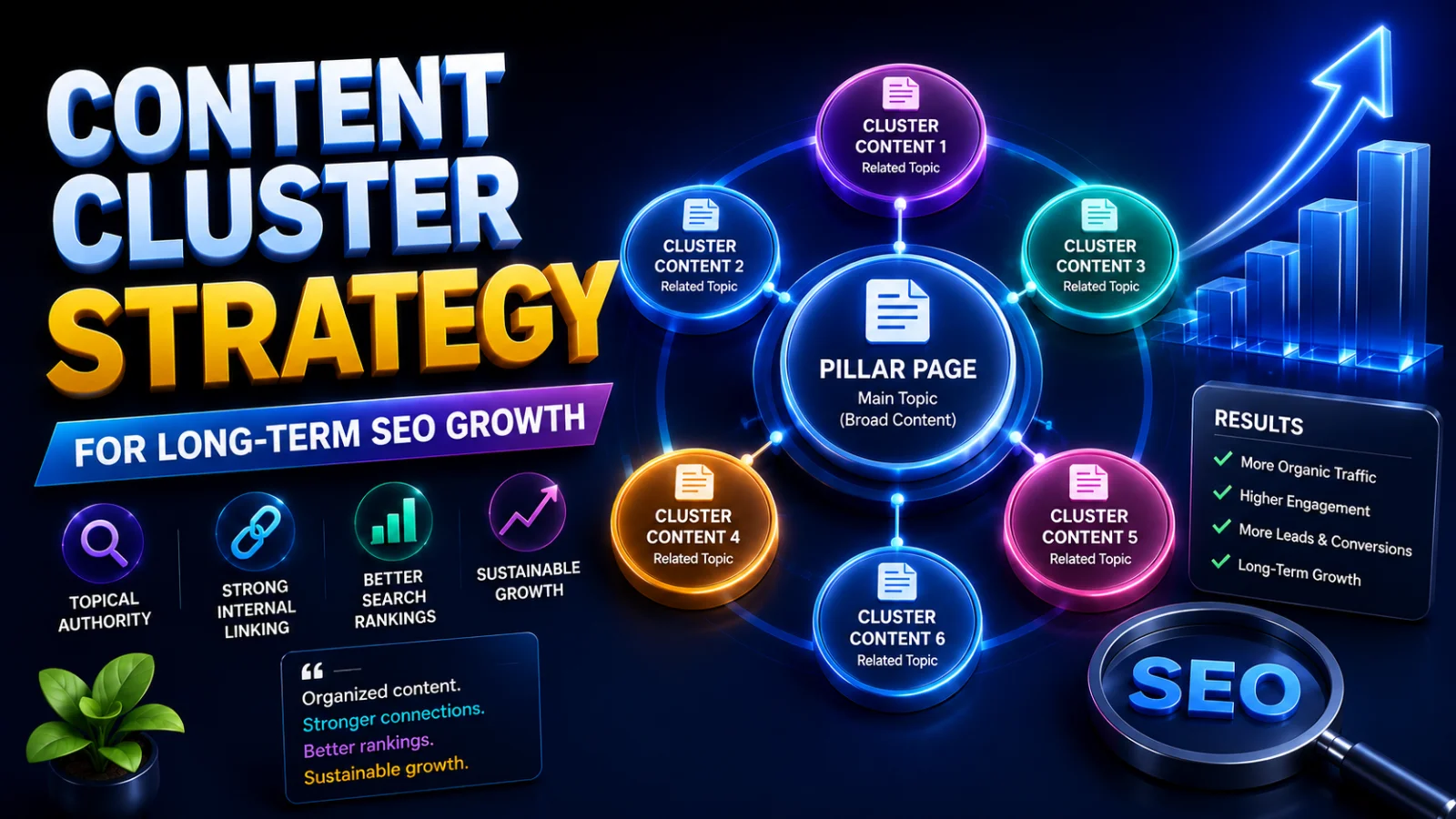
Content Cluster Strategy for Long-Term SEO Growth
Learn how to build a content cluster strategy using pillar pages, cluster content and internal links for long-term SEO growth.
 content marketing
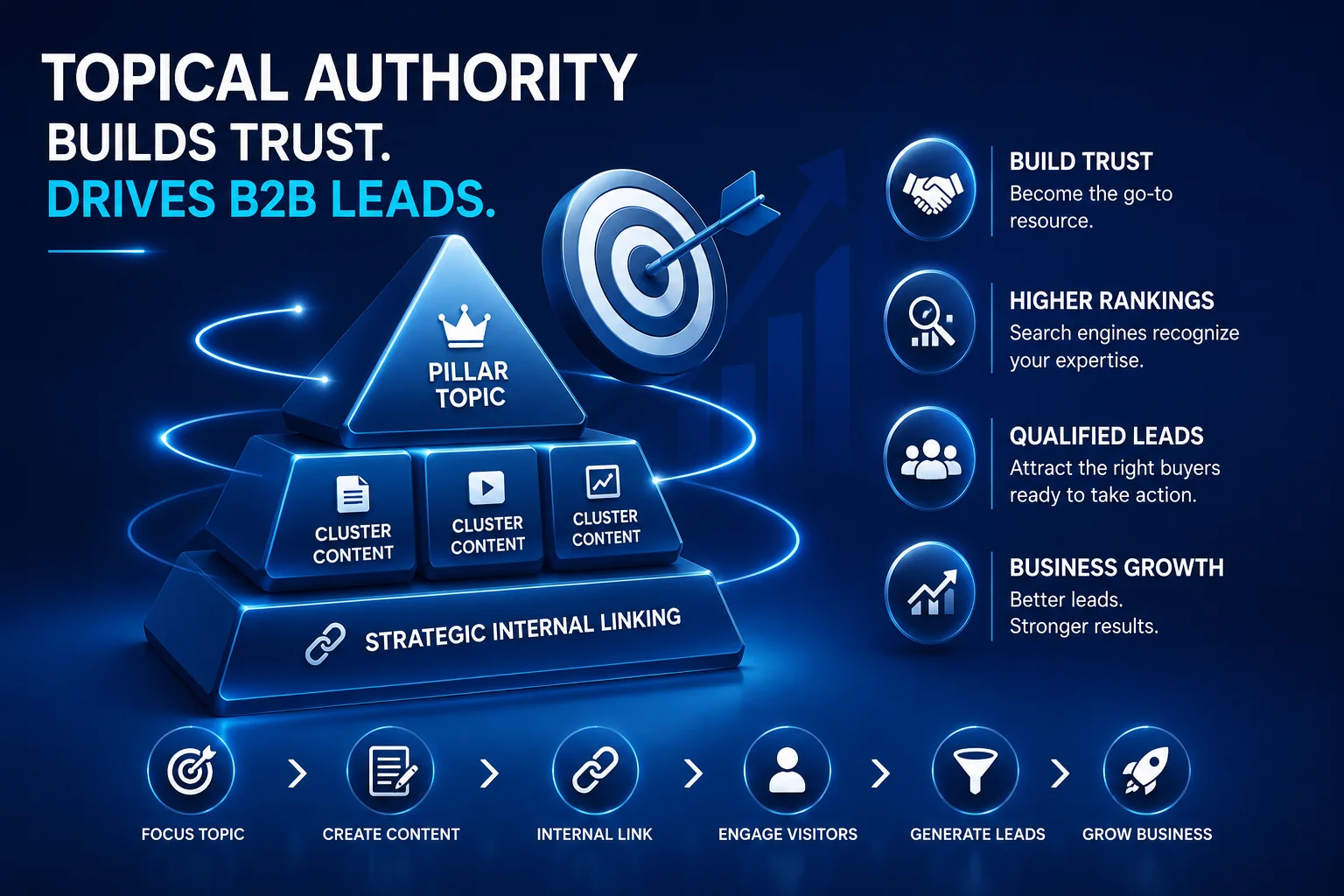
Building Topical Authority That Drives Qualified B2B Leads | Complete Guide
Learn how building topical authority helps improve SEO, build trust, and generate qualified B2B leads through a focused content strategy.
 search engine marketing
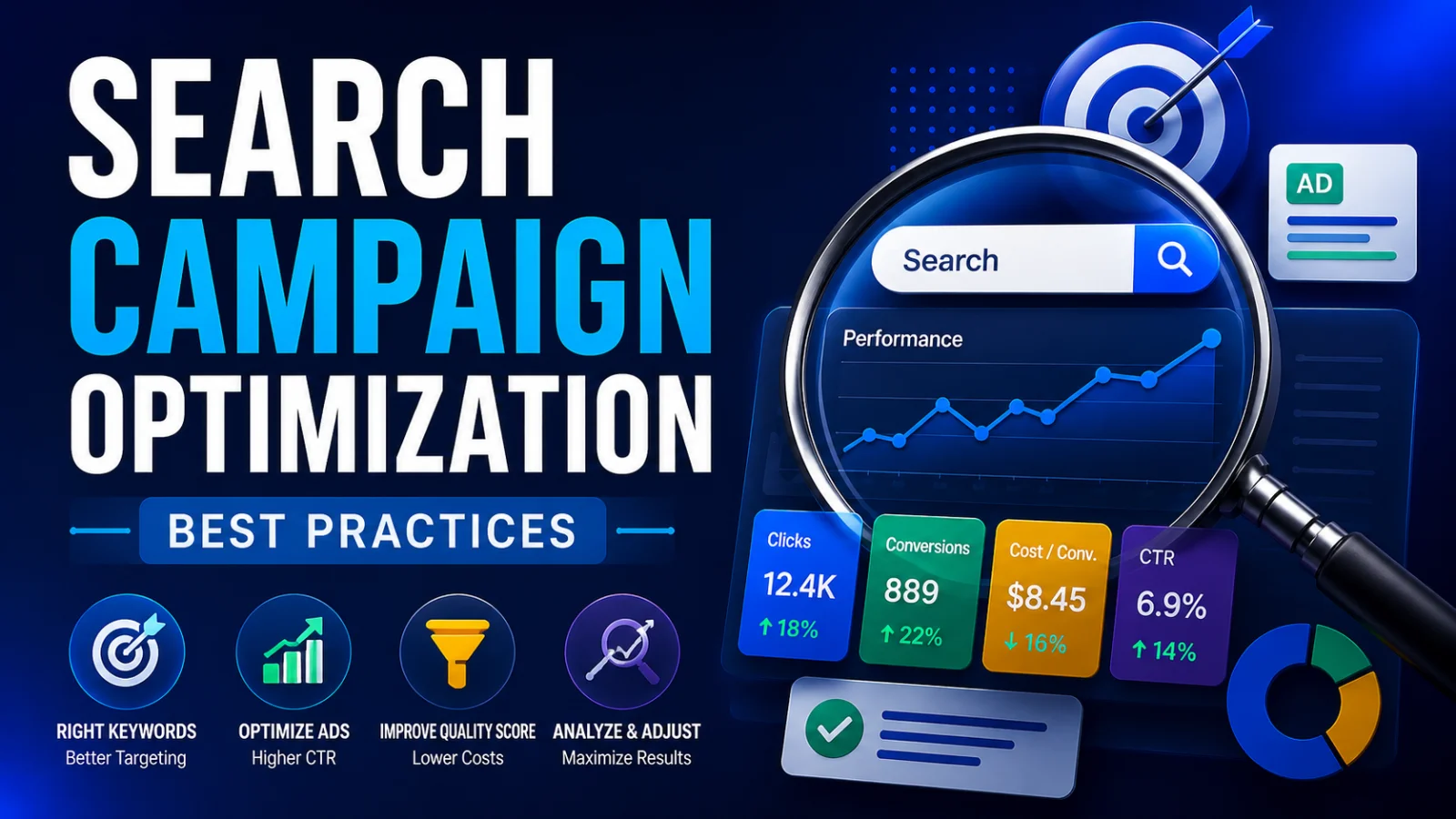
Search Campaign Optimization Best Practices
A well-built search campaign is only half the battle — ongoing optimization is what separates ads that merely run from ads that actually deliver consistent returns. Here are the best practices that keep your campaigns sharp, efficient, and continuously improving.