
Why Website Speed and Performance Matter
A website is often the first point of contact between a business and its potential customers. While an attractive design and useful content are important, website speed and performance can have an equally significant impact on how visitors interact with a website.
When a website takes too long to load, visitors may leave before exploring its content, products, or services. A fast and responsive website, on the other hand, creates a smoother user experience and gives visitors a reason to stay longer.
For businesses investing in web development services, website performance should be considered from the beginning of the development process rather than treated as an afterthought. From page structure and coding to images, hosting, mobile responsiveness, and technical optimization, several factors can influence how quickly and efficiently a website works.
What Is Website Speed?
Website speed refers to how quickly a website or webpage loads and becomes usable for visitors. It includes factors such as how quickly the page starts loading, when the main content becomes visible, and how quickly users can interact with the page.
Website speed can vary depending on the device, internet connection, server performance, website structure, and amount of content on a page.
A website may look visually impressive, but if its pages take too long to load, the overall user experience can suffer.
Why Does Website Speed Matter for Businesses?
Website speed is important because visitors generally expect websites to respond quickly. A slow website can create frustration and make it harder for users to find the information they need.
For businesses, poor website performance can affect:
- User experience
- Customer engagement
- Website conversions
- Lead generation
- Mobile usability
- Search visibility
- Brand perception
A faster website makes it easier for visitors to browse pages, understand your services, and take actions such as submitting an enquiry, making a purchase, or contacting the business.
How Page Speed Affects User Experience
Imagine a potential customer searching for a service and clicking on your website. If the page takes several seconds to become usable, the visitor may simply return to the search results and choose another website.
This is why page speed is closely connected with user experience.
Fast-loading pages allow visitors to:
- Access information quickly
- Navigate between pages easily
- Browse products or services smoothly
- Complete forms without unnecessary delays
- Interact with the website more comfortably
Improving speed is therefore not just a technical task. It is also an important part of creating a better experience for your customers.
How Website Performance Can Affect SEO
Website performance is also an important consideration for search engine optimization. Search engines aim to provide users with useful results that offer a good overall experience.
Speed alone does not guarantee higher rankings, but performance-related factors can contribute to the quality and usability of a website.
A technically well-developed website can support SEO through:
- Faster page loading
- Mobile responsiveness
- Better website structure
- Efficient code
- Optimized images
- Proper internal linking
- Secure connections
- Better overall usability
This is one reason businesses should consider technical performance while planning their website rather than trying to fix major performance issues after development.
Why Website Performance Matters on Mobile Devices
Mobile users are an important part of today's online audience. People often access business websites through smartphones while searching for products, services, locations, contact information, and other details.
A website that works well on a desktop but loads slowly or displays incorrectly on a mobile device can create a poor experience.
Responsive development helps websites adapt to different screen sizes while maintaining usability. Mobile performance should therefore be considered alongside desktop performance when developing a business website.
How Slow Websites Can Affect Conversions
Website traffic is valuable only when visitors can actually use the website effectively.
A slow website can create unnecessary friction during important actions such as:
- Filling out an enquiry form
- Requesting a quotation
- Booking a service
- Adding a product to a cart
- Completing a purchase
- Calling or contacting a business
Even when a website receives visitors through SEO, social media, advertisements, or other marketing channels, poor performance can reduce the effectiveness of that traffic.
A well-performing website makes it easier for visitors to move from discovering a business to taking meaningful action.
Common Reasons for Slow Website Performance
There is rarely a single reason behind a slow website. Performance can be affected by several technical and content-related factors.
Large Image Files
High-resolution images that have not been properly compressed can increase page size and loading time.
Unoptimized Code
Excessive or inefficient code can affect how quickly browsers process and display a page.
Too Many Plugins and Scripts
Third-party plugins, tracking scripts, animations, and other resources can increase the amount of work required to load a page.
Poor Hosting Performance
The quality of web hosting and server response can influence how quickly website resources are delivered to visitors.
Lack of Caching
Caching can help browsers and servers reuse certain resources instead of loading everything from scratch.
Unoptimized Website Structure
A complicated website structure can make it more difficult to deliver content efficiently and provide a smooth browsing experience.
How to Check Your Website Speed
Businesses can use various website performance tools to identify potential speed issues.
A page speed test can provide information about loading performance and highlight areas that may require improvement. Tools such as Google PageSpeed Insights can also help developers understand technical performance issues.
When performing a website speed check, it is useful to look beyond a single overall score. Important factors can include loading behavior, responsiveness, resource sizes, image optimization, server response, and other technical elements.
Testing should ideally be performed across different devices and page types because the performance of one page may not represent the entire website.
Effective Ways to Improve Website Speed
Improving website performance usually involves addressing several areas rather than relying on one solution.
Optimize Images
Compressing images and choosing appropriate file formats can reduce page size without unnecessarily affecting visual quality.
Reduce Unnecessary Resources
Removing unused scripts, styles, plugins, and other resources can help reduce the amount of data browsers need to process.
Improve Server Response
Choosing suitable hosting and improving server configuration can help deliver website resources more efficiently.
Use Browser and Server Caching
Caching can reduce repeated loading of resources and improve the experience for returning visitors.
Optimize Website Code
Clean and efficient code can help browsers process pages more effectively.
Focus on Mobile Performance
Testing websites on mobile devices helps identify issues that may not be visible during desktop testing.
How Web Development Services Can Improve Website Performance
Website performance should ideally be considered during the development stage. Professional web development services can address technical factors that influence speed, responsiveness, usability, and overall website performance.
Developers can consider performance while working on:
- Website architecture
- Frontend development
- Backend functionality
- Database operations
- Image handling
- Responsive layouts
- Code optimization
- Third-party integrations
- Security implementation
- Hosting configuration
When performance is included as part of the development process, businesses can build a stronger technical foundation instead of relying entirely on optimization after the website has been launched.
If your existing website is slow, difficult to use, or not performing well across devices, professional web development services can also help identify technical issues and implement suitable improvements.
Why Website Performance Should Be Considered During Development
Performance should not be treated as something that needs attention only after a website becomes slow.
Planning for performance from the beginning can make the development process more efficient. Developers can select suitable technologies, structure pages properly, optimize resources, and avoid unnecessary functionality that could affect performance.
This approach can also make future maintenance and optimization easier as the website grows.
For businesses, this means investing in a website that is not only visually appealing but also functional, scalable, and prepared to handle future requirements.
Website Speed and Business Growth
A website represents your business online, so its performance can influence how customers perceive your brand.
A fast and reliable website can help create a positive first impression, make information easier to access, and encourage visitors to explore your products or services.
However, website speed is only one part of a successful online presence. It should work together with quality content, effective SEO, responsive design, clear navigation, strong calls to action, and a website structure built around user needs.
Final Thoughts
Website speed and performance matter because they directly influence how visitors experience your website. From improving usability and mobile browsing to supporting SEO and conversions, a well-performing website provides a stronger foundation for digital growth.
Businesses planning a new website should consider performance from the beginning, while businesses with an existing slow website should identify and address the underlying technical issues.
With the right approach to development, optimization, and ongoing maintenance, businesses can create websites that are faster, more responsive, and easier for customers to use.
Frequently Asked Questions
Related Articles
 Web Development
Web Development Services for Small and Growing Businesses
Discover how professional web development services can help small and growing businesses build fast, responsive, secure, and SEO-friendly websites that attract customers and support long-term business growth.
 Web Development
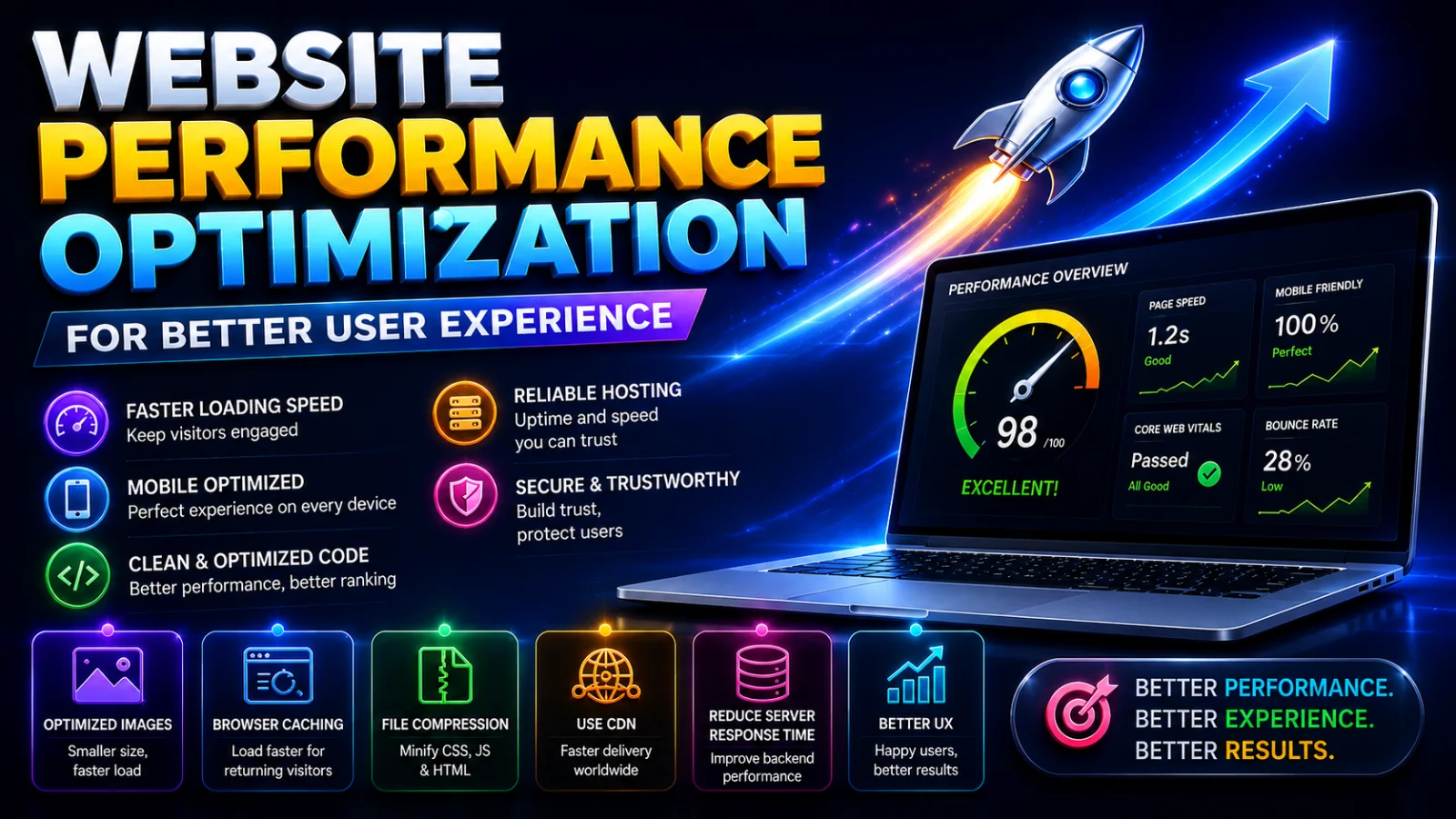
Website Performance Optimization for Better User Experience
Website performance directly impacts how users experience your site and how long they stay. Learn how optimizing page speed, mobile responsiveness, images, and technical elements can create a faster, smoother website that improves user satisfaction, engagement, and SEO performance.
 Web Development
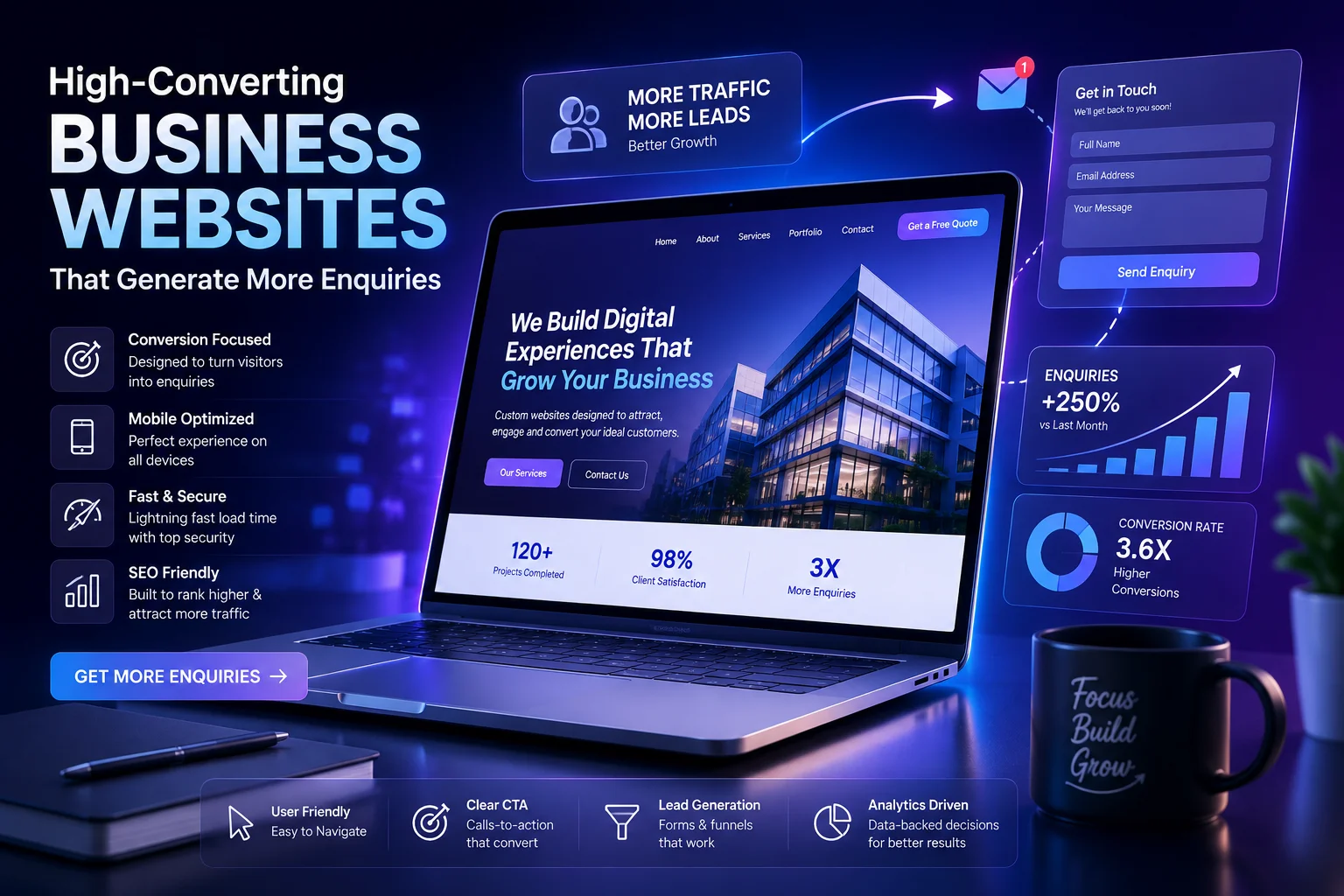
High-Converting Business Websites That Generate More Enquiries
A high-converting business website is more than an attractive online presence—it is a powerful tool for generating enquiries and growing your business. By combining clear messaging, user-friendly design, strong calls to action, trust-building elements, and SEO-focused content, businesses can create websites that turn visitors into customers. Discover the key strategies to build a website that improves conversions and supports long-term business growth with insights from a top IT company in Salem, Tamil Nadu