
What Is AI Automation? A Complete Guide for Modern Businesses
Artificial Intelligence (AI) is changing the way businesses operate, making everyday tasks faster, smarter, and more efficient. Instead of relying on repetitive manual work, companies are now using AI automation to streamline workflows, improve customer experiences, and increase overall productivity.
From responding to customer enquiries and managing leads to generating reports and automating repetitive tasks, AI automation enables businesses to focus on strategic work while technology handles routine operations. As businesses continue to grow, automation has become an essential part of improving efficiency and staying competitive.
In this guide, you'll learn what AI automation is, how it works, its key components, and why businesses of all sizes are investing in intelligent automation solutions.
What Is AI Automation?
AI automation is the combination of Artificial Intelligence (AI) and automation technologies to perform tasks with minimal human intervention. Unlike traditional automation, which follows fixed rules, AI automation can analyse data, recognise patterns, make decisions, and continuously improve based on new information.
For example, a traditional automation workflow can send an email whenever a customer submits a contact form. An AI-powered workflow can go further by analysing the enquiry, categorising the lead, generating a personalised response, assigning it to the appropriate team member, and scheduling follow-up actions automatically.
This ability to combine automation with intelligent decision-making helps businesses save time, reduce manual effort, and improve operational efficiency.
Whether you're a startup or an established enterprise, AI automation can simplify daily operations and support long-term business growth.
How Does AI Automation Work?
AI automation combines several technologies to create workflows that can perform tasks automatically while making intelligent decisions based on available data.
A typical AI automation process follows these steps:
1. Data Collection
The workflow begins by collecting information from different sources such as websites, contact forms, CRM systems, emails, spreadsheets, customer databases, or messaging platforms.
2. AI Analysis
Artificial Intelligence analyses the collected data to identify patterns, understand customer intent, classify information, or generate meaningful responses based on predefined objectives.
3. Decision Making
Based on the AI analysis, the system determines the most appropriate action. This could include assigning a lead, sending an email, scheduling an appointment, updating a CRM, or notifying a team member.
4. Workflow Automation
The automation platform executes the required actions without manual intervention. Multiple tasks can be completed simultaneously, ensuring faster and more accurate operations.
5. Continuous Improvement
Many AI-powered systems learn from new data and user interactions over time. This allows workflows to become more accurate, efficient, and reliable as business requirements evolve.
By combining intelligent analysis with automated execution, businesses can significantly reduce repetitive work while improving consistency and decision-making.
Key Components of AI Automation
Successful AI automation solutions are built using several core components that work together to automate business processes effectively.
Artificial Intelligence
AI is the intelligence behind the automation. It can understand text, analyse data, recognise patterns, generate content, and support decision-making across different business functions.
Workflow Automation
Workflow automation connects multiple tasks into a structured process. It ensures that actions are performed automatically in the correct sequence without requiring manual input.
Data Integration
Modern businesses use multiple software platforms every day. AI automation integrates these systems, allowing information to move seamlessly between websites, CRM platforms, accounting software, communication tools, and cloud applications.
Intelligent Decision-Making
Instead of simply following predefined rules, AI automation can evaluate different scenarios and choose the most suitable action based on business logic and available data.
Monitoring and Optimisation
AI automation is not a one-time implementation. Businesses should continuously monitor workflows, identify improvement opportunities, and optimise automation to achieve better performance over time.
When these components work together, organisations can automate repetitive tasks, improve productivity, reduce operational costs, and deliver a better customer experience.
Benefits of AI Automation
Businesses across industries are adopting AI automation because it helps streamline operations, reduce repetitive work, and improve overall efficiency. Whether you're a small business or a large enterprise, implementing AI-powered workflows can create long-term value and support sustainable growth.
Saves Time and Increases Productivity
One of the biggest advantages of AI automation is the ability to eliminate repetitive manual tasks. Activities such as data entry, lead assignment, appointment scheduling, report generation, and email follow-ups can all be automated. This allows employees to focus on strategic work that requires creativity, problem-solving, and customer interaction.
Reduces Operational Costs
Manual processes often require significant time and resources. AI automation helps businesses reduce operational costs by minimizing repetitive work, lowering the risk of human error, and improving overall process efficiency. Over time, these improvements can lead to higher productivity without increasing workforce requirements.
Improves Customer Experience
Customers expect quick responses and consistent service. AI-powered chatbots, automated email workflows, and intelligent support systems provide instant assistance, answer common questions, and ensure enquiries are handled promptly. This creates a smoother customer experience while reducing the workload on support teams.
Enhances Accuracy
Manual tasks can result in errors caused by missed steps, incorrect data entry, or inconsistent processes. AI automation follows predefined workflows and intelligent decision-making rules, helping businesses improve accuracy and maintain consistency across daily operations.
Supports Business Growth
As businesses grow, manual processes become increasingly difficult to manage. AI automation enables organizations to handle larger workloads without significantly increasing operational complexity. Automated workflows can scale alongside business growth while maintaining efficiency and consistency.
Real-World AI Automation Examples
AI automation is transforming the way businesses manage daily operations. Here are some practical examples of how organizations are using intelligent automation.
Lead Management
When a visitor submits an enquiry through a website, AI automation can instantly capture the lead, categorize it based on predefined criteria, assign it to the appropriate sales representative, and send a personalized follow-up email within seconds.
Customer Support
AI-powered chatbots provide instant responses to frequently asked questions, assist customers 24/7, collect important information, and escalate complex issues to human agents when necessary.
Appointment Scheduling
Businesses can automate appointment bookings, confirmation emails, reminders, and rescheduling requests. This reduces administrative work while improving customer convenience.
Invoice and Payment Reminders
AI automation helps finance teams automatically generate invoices, send payment reminders, update customer records, and notify staff when payments are completed.
Employee Onboarding
New employee onboarding can be streamlined by automatically creating accounts, assigning training materials, scheduling orientation sessions, and tracking onboarding progress through a structured workflow.
Industries That Benefit from AI Automation
AI automation is not limited to a specific industry. Organizations of all sizes can automate repetitive tasks and improve operational efficiency.
Healthcare
Healthcare providers can automate appointment scheduling, patient reminders, medical record management, and administrative workflows, allowing staff to focus more on patient care.
E-commerce
Online stores use AI automation for order processing, inventory updates, abandoned cart recovery, customer support, and personalized product recommendations.
Real Estate
Real estate businesses automate lead qualification, property enquiry management, follow-up communications, appointment scheduling, and client relationship management.
Education
Educational institutions can automate student enquiries, admission workflows, fee reminders, course notifications, and communication with students and parents.
Manufacturing
Manufacturers use AI automation to monitor production workflows, manage inventory, schedule maintenance, and generate operational reports with minimal manual effort.
Professional Services
Consulting firms, marketing agencies, financial service providers, and legal firms use AI automation to manage client onboarding, document workflows, appointment scheduling, reporting, and customer communication.
Common AI Automation Mistakes Businesses Should Avoid
Implementing AI automation without proper planning can reduce efficiency instead of improving it. Avoiding these common mistakes helps businesses build reliable, scalable, and high-performing automation workflows.
Starting with the Tool Instead of the Problem
Many businesses choose an automation platform before identifying the actual problem they need to solve. A successful automation strategy begins by understanding which tasks consume the most time and resources before selecting the right technology.
Automating an Inefficient Process
Automation improves speed and consistency, but it cannot fix a poorly designed workflow. Businesses should first optimize and standardize their processes before introducing AI automation.
Ignoring Documentation
Every automation workflow should be properly documented. Clear documentation makes it easier for teams to understand, maintain, troubleshoot, and improve automation as business requirements evolve.
Trying to Automate Everything
Not every task requires automation. Businesses should prioritize repetitive, rule-based processes that deliver measurable business value instead of attempting to automate every activity at once.
Failing to Monitor Performance
AI automation should be reviewed regularly to ensure workflows remain accurate, efficient, and aligned with changing business needs. Continuous monitoring helps identify improvement opportunities and keeps automation performing at its best.
How to Get Started with AI Automation
Adopting AI automation doesn't require replacing your existing systems overnight. The most successful businesses begin by automating one repetitive process, measure the results, and gradually expand automation across different departments.
Identify Repetitive Tasks
Start by listing daily activities that consume significant time. Tasks such as lead management, customer support, appointment scheduling, invoice reminders, and report generation are excellent candidates for automation.
Define Your Business Goals
Determine what you want to achieve through AI automation. Your objective could be reducing manual work, improving customer response times, increasing productivity, or lowering operational costs.
Choose the Right Workflow
Focus on processes that deliver measurable business value. Well-designed workflows are easier to maintain, scale, and improve as your business grows.
Integrate Existing Business Tools
Modern AI automation solutions can connect websites, CRM systems, communication platforms, cloud applications, and business software into a unified workflow. This allows information to move seamlessly without manual data entry.
Monitor and Improve
Automation should be reviewed regularly. Track workflow performance, identify bottlenecks, and refine processes to ensure they continue delivering maximum value.
Why Choose an Artificial Intelligence Automation Agency?
Implementing AI automation successfully requires more than selecting the right software. A professional Artificial Intelligence Automation Agency understands business processes, identifies automation opportunities, and develops workflows that align with your operational goals.
Working with an experienced agency helps businesses:
- Identify high-impact automation opportunities.
- Build scalable AI-powered workflows.
- Integrate multiple business applications.
- Improve operational efficiency.
- Reduce manual work and human errors.
- Receive ongoing support and workflow optimization.
Rather than applying a one-size-fits-all solution, a professional automation strategy is designed around your business requirements, ensuring every workflow delivers measurable results.
Frequently Asked Questions
Related Articles
 E-commerce website
The Future of Mobile Commerce and E-commerce Website Development
Mobile commerce growth, AI-driven personalization, headless architecture, voice commerce, PWA, social commerce, AR/VR, and sustainability are the key trends shaping e-commerce websites in 2026.
 App Development
 How Mobile Apps Improve Customer Engagement and Business Operations
Mobile apps drive higher engagement, retention, and operational efficiency. Learn why businesses in 2026 are investing in apps for growth and customer loyalty.
 App Development
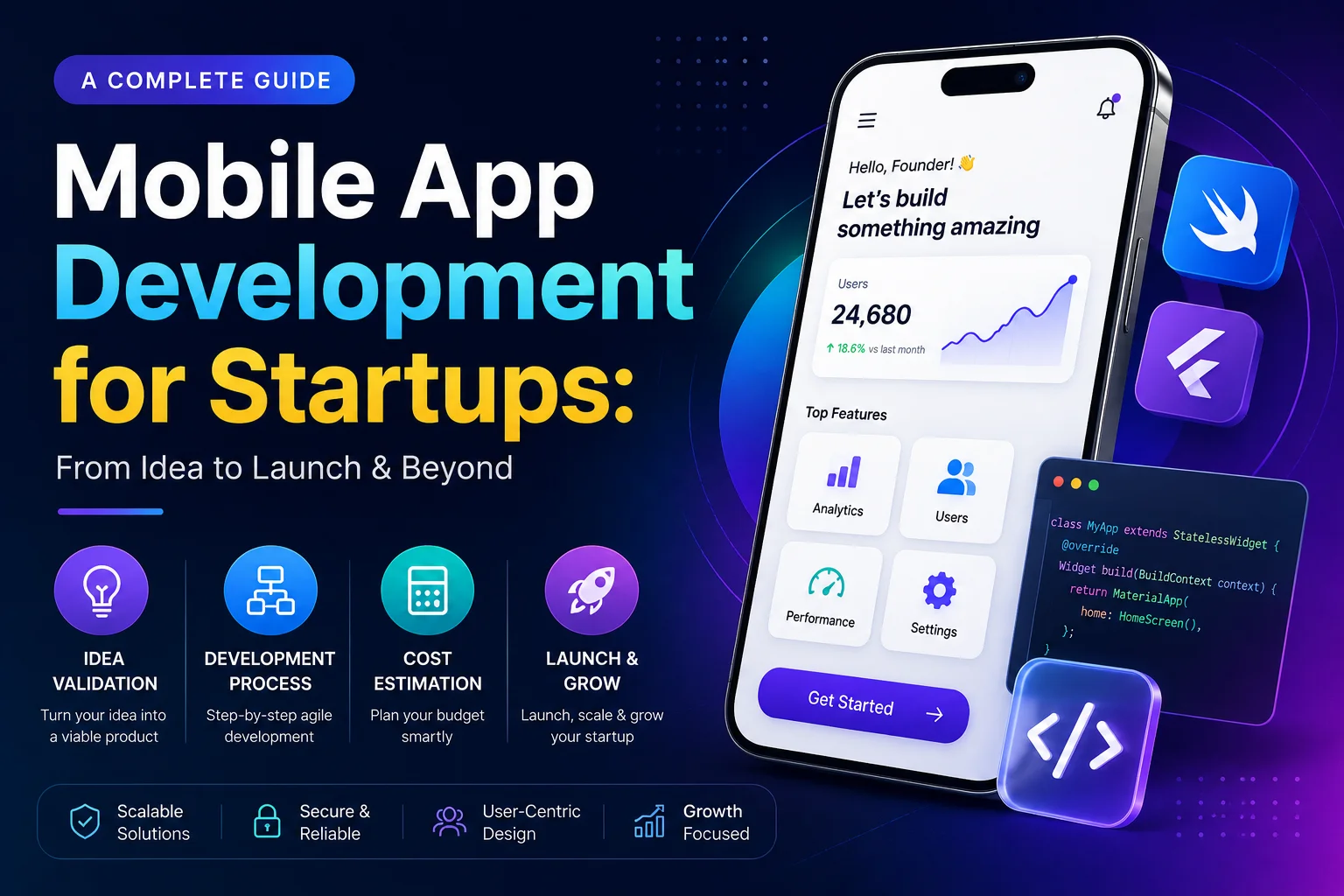
 Mobile App Development for Startups: A Complete Guide
A practical, step‑by‑step guide to mobile app development for startups: validate the need, choose the right tech (native, cross‑platform, or PWA), define an MVP, design for retention, and launch with a clear ASO and growth plan. Plus, how JHB Automations helps startups ship production‑ready apps faster—strategy, design, dev, QA, launch, and post‑launch growth under one roof.