How to Increase Website Traffic Using Digital Marketing
Getting consistent visitors to your website is essential for building brand awareness, generating leads, and increasing sales. But simply having a website is not enough. Businesses need the right digital marketing strategies to attract the right audience and turn website visitors into potential customers.
If you are wondering how to increase website traffic, digital marketing provides several effective methods. From search engine optimization and content marketing to social media, Google Ads, and email marketing, businesses can use multiple channels to bring qualified visitors to their websites.
In this guide, we will explore practical ways to increase website traffic using digital marketing and how businesses can create a sustainable traffic growth strategy.
Why Is Website Traffic Important for Businesses?
Website traffic refers to the number of people who visit your website. More importantly, the quality of that traffic matters.
A website that attracts the right audience has a better chance of generating enquiries, leads, sales, and long-term customers.
A strong website traffic strategy can help businesses:
- Increase online visibility
- Generate more leads
- Build brand awareness
- Reach new customers
- Improve search engine visibility
- Increase sales and conversions
- Build long-term online authority
However, businesses should not focus only on increasing visitor numbers. The goal should be to attract relevant and targeted traffic from people who are genuinely interested in the products or services offered.
1. Improve SEO to Increase Organic Website Traffic
Search engine optimization is one of the most effective long-term methods to increase website traffic.
When your website ranks for relevant keywords on search engines such as Google, potential customers can discover your business without you having to pay for every click.
Start by identifying keywords that your target audience searches for. Then naturally incorporate those keywords into your website content, page titles, headings, URLs, meta descriptions, and blog posts.
Important SEO activities include:
- Keyword research
- On-page SEO
- Technical SEO
- Internal linking
- Image optimization
- Content optimization
- Local SEO
- Link building
For example, a business operating in Salem may target relevant local searches such as "digital marketing company in Salem" or service-specific local keywords.
Consistently publishing useful content around relevant search queries can also help your website build topical authority and attract more organic visitors over time.
2. Create High-Quality and Useful Content
Content marketing plays an important role in driving website visitors.
People search online because they want answers, solutions, comparisons, recommendations, or information. Creating content that addresses these needs gives your business more opportunities to appear in search results.
You can create:
- Blog posts
- How-to guides
- Industry articles
- Case studies
- FAQs
- Service guides
- Comparison articles
- Infographics
- Videos
For example, instead of publishing a generic article about digital marketing, you could create topics such as "How to Create a Digital Marketing Strategy for a Small Business" or "SEO vs Google Ads: Which Is Better for Lead Generation?"
The key is to create content that provides genuine value rather than writing articles only to insert keywords.
3. Use Social Media Marketing to Drive Website Visitors
Social media platforms can help businesses reach new audiences and direct interested users to their websites.
Platforms such as Instagram, Facebook, LinkedIn, YouTube, and other relevant channels can be used to distribute your content and promote your products or services.
Some effective approaches include:
- Sharing blog posts
- Publishing educational content
- Creating short-form videos
- Sharing customer success stories
- Promoting offers
- Answering audience questions
- Adding website links to social profiles
- Using relevant hashtags
Social media traffic can be especially useful for launching new content, promoting services, and building brand awareness.
However, businesses should avoid posting only promotional content. A combination of educational, informative, entertaining, and promotional content generally creates a stronger audience connection.
4. Use Google Ads to Generate Immediate Website Traffic
SEO is excellent for long-term organic growth, but it can take time to build rankings. Google Ads can help businesses generate targeted website traffic much faster.
With search advertising, businesses can display ads when users search for specific products or services.
For example, someone searching for "website design company in Salem" may already have a strong intention to purchase. Showing a relevant advertisement at that moment can drive highly targeted traffic to the website.
To make paid traffic more effective:
- Choose relevant keywords
- Write compelling ad copy
- Create dedicated landing pages
- Use location targeting
- Track conversions
- Test different advertisements
- Monitor cost per lead
Paid advertising should not simply focus on getting clicks. The objective should be to generate qualified traffic that can convert into leads or customers.
5. Optimize Your Google Business Profile
For businesses targeting local customers, Google Business Profile optimization can be an important part of increasing website traffic.
When users search for local services, your business may appear in Google's local results and Maps.
A well-optimized profile should contain:
- Accurate business information
- Correct business category
- Website URL
- Business description
- Updated photos
- Service information
- Customer reviews
- Regular updates
Positive reviews can also improve trust and encourage potential customers to visit your website or contact your business.
Local SEO and Google Business Profile optimization work particularly well for businesses that depend on customers from a specific city or service area.
6. Build Quality Backlinks
Backlinks are links from other websites pointing to your website. Quality backlinks can help improve your website's authority and search visibility.
Instead of trying to get a large number of low-quality links, focus on earning relevant links from trustworthy websites.
Some ways to build backlinks include:
- Publishing original research
- Creating useful resources
- Guest contributions
- Digital PR
- Business directories
- Industry listings
- Creating link-worthy content
For example, an original industry report, detailed guide, or useful statistics page may naturally attract links from other websites.
Remember that quality and relevance are more important than simply collecting a large number of backlinks.
7. Improve Your Website User Experience
Getting visitors to your website is only one part of digital marketing. You also need to give them a good experience once they arrive.
A slow, confusing, or difficult-to-use website can cause visitors to leave quickly.
Focus on:
- Fast page loading
- Mobile-friendly design
- Easy navigation
- Clear headings
- Readable content
- Strong calls to action
- Simple contact forms
- Clear service information
Your website should make it easy for visitors to understand what you offer and what they should do next.
A good user experience can also support better engagement and conversions.
8. Use Email Marketing to Bring Visitors Back
Email marketing can help businesses generate repeat website traffic.
If users have already subscribed to your email list, you can send them useful content, product updates, offers, newsletters, and new blog posts.
For example, when you publish a new article, you can share it with your email subscribers. This creates another opportunity to bring existing audiences back to your website.
Effective email campaigns should focus on relevance and value rather than sending excessive promotional messages.
9. Repurpose Your Existing Content
You don't always need to create completely new content to increase website traffic.
Existing content can be repurposed into different formats.
For example, one detailed blog post can become:
- Instagram posts
- LinkedIn posts
- YouTube Shorts
- Infographics
- Email content
- Social media carousels
- Short videos
This allows businesses to distribute the same core idea across multiple platforms and reach different audiences.
It can also increase the visibility of your original website content.
10. Use Internal Linking Strategically
Internal links connect one page on your website to another page on the same website.
They can help visitors discover related content while also helping search engines understand the structure and relationship between your pages.
For example, a blog about increasing website traffic could naturally link to related pages about:
- SEO services
- Google Ads
- Social media marketing
- Content marketing
- Website development
Use descriptive and natural anchor text rather than forcing exact-match keywords into every link.
A strong internal linking structure can help distribute authority throughout your website and encourage visitors to explore more pages.
11. Track Your Website Traffic and Results
You cannot improve what you do not measure.
Use analytics and search performance tools to understand where your visitors are coming from and which pages are performing well.
Important metrics include:
- Organic traffic
- Paid traffic
- Referral traffic
- Social traffic
- Page views
- Engagement
- Conversion rate
- Leads generated
- Top-performing landing pages
- Search queries and rankings
This information helps you understand which digital marketing channels are producing results.
For example, if organic traffic is increasing but conversions remain low, you may need to improve your landing pages or calls to action.
12. Avoid Common Website Traffic Mistakes
Many businesses make the mistake of focusing only on traffic volume.
More visitors do not automatically mean more customers.
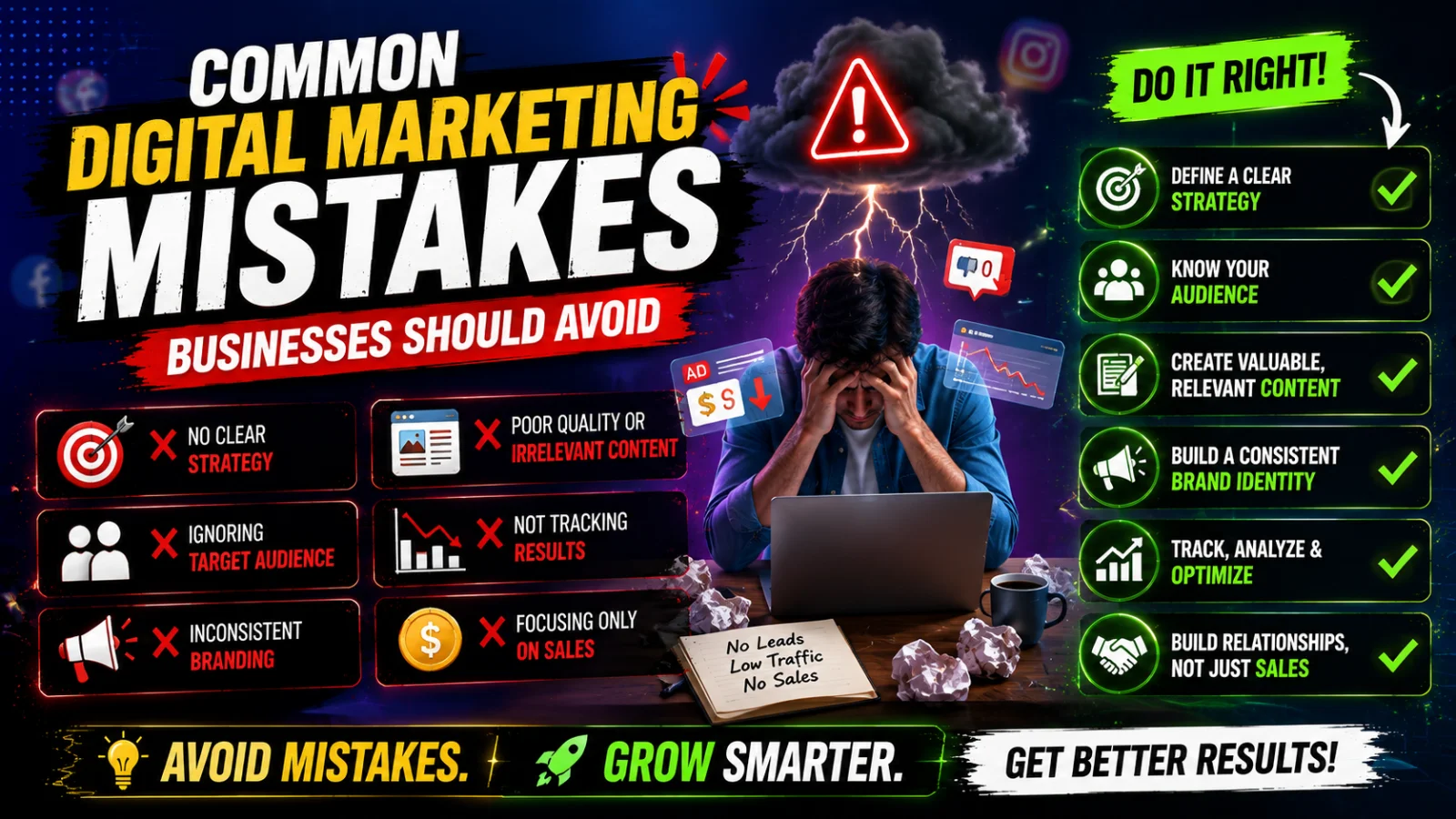
Some common mistakes include:
- Targeting irrelevant keywords
- Publishing low-quality content
- Keyword stuffing
- Ignoring mobile users
- Having slow-loading pages
- Buying low-quality backlinks
- Running ads without conversion tracking
- Ignoring local SEO
- Not updating outdated content
- Focusing on traffic instead of conversions
A successful digital marketing strategy should balance traffic, engagement, leads, and conversions.
How Long Does It Take to Increase Website Traffic?
The timeline depends on the strategy you use.
SEO and content marketing usually require consistent effort before significant organic growth appears. Paid advertising can generate traffic much faster, while social media and email marketing can produce results depending on the size and engagement of your audience.
Instead of expecting immediate results from every channel, businesses should build a long-term strategy and regularly measure performance.
A combination of organic and paid marketing can provide a more balanced approach.
Final Thoughts
There are many ways to increase website traffic using digital marketing, but the best results usually come from combining multiple strategies.
SEO can help build long-term organic visibility. Content marketing can attract users searching for useful information. Social media can expand your reach, while Google Ads can generate targeted traffic quickly. Local SEO, email marketing, backlinks, and website optimization can further strengthen your overall digital presence.
The most important thing is to focus on attracting the right visitors, not simply increasing the number of visitors.
With consistent content, proper SEO, targeted advertising, strong website experience, and regular performance tracking, businesses can create a sustainable strategy for increasing website traffic and generating more opportunities online.
Frequently Asked Questions
SEO, content marketing, social media marketing, Google Ads, local SEO, and email marketing are some of the most effective ways to increase website traffic. The best approach depends on your target audience, industry, goals, and budget.
Related Articles
 Digital Marketing
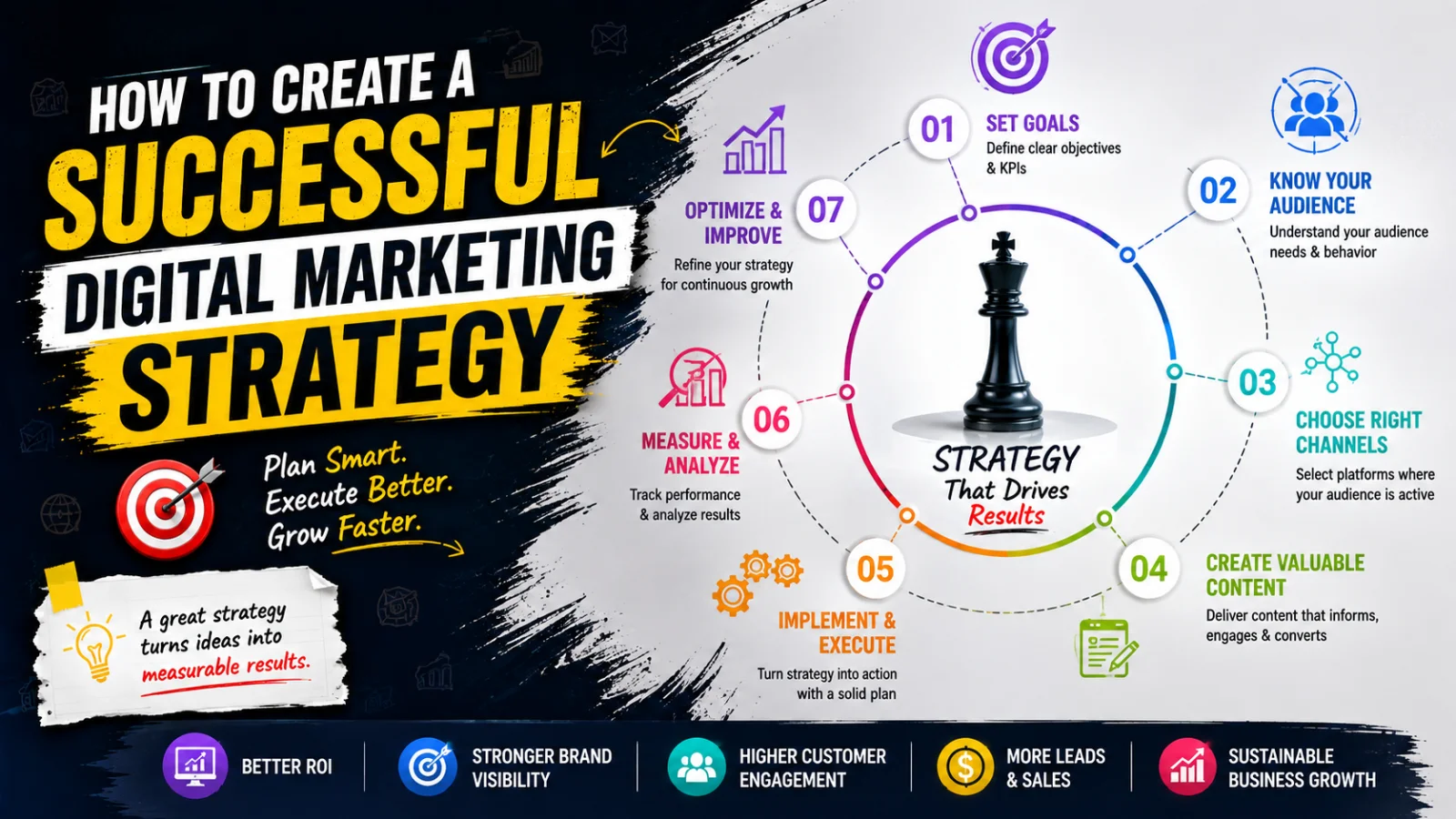
How to Create a Successful Digital Marketing Strategy
Learn how to create a successful digital marketing strategy with practical steps for audience research, goals, SEO, content, channels, budget, KPIs, and performance tracking.
 Digital Marketing
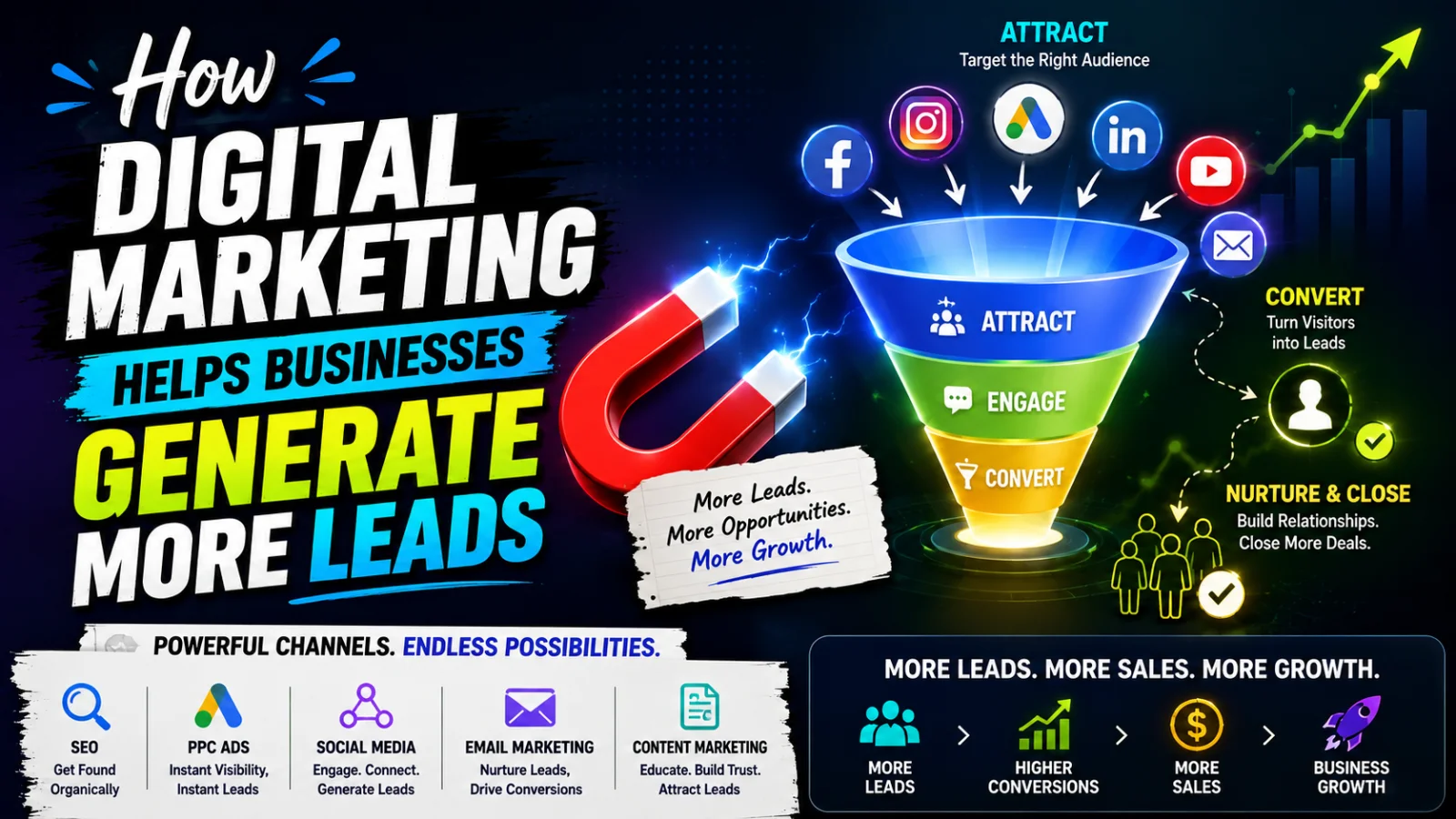
How Digital Marketing Helps Businesses Generate More Leads
Learn how digital marketing helps businesses generate more leads through SEO, Google Ads, social media, content marketing, landing pages, and local SEO.