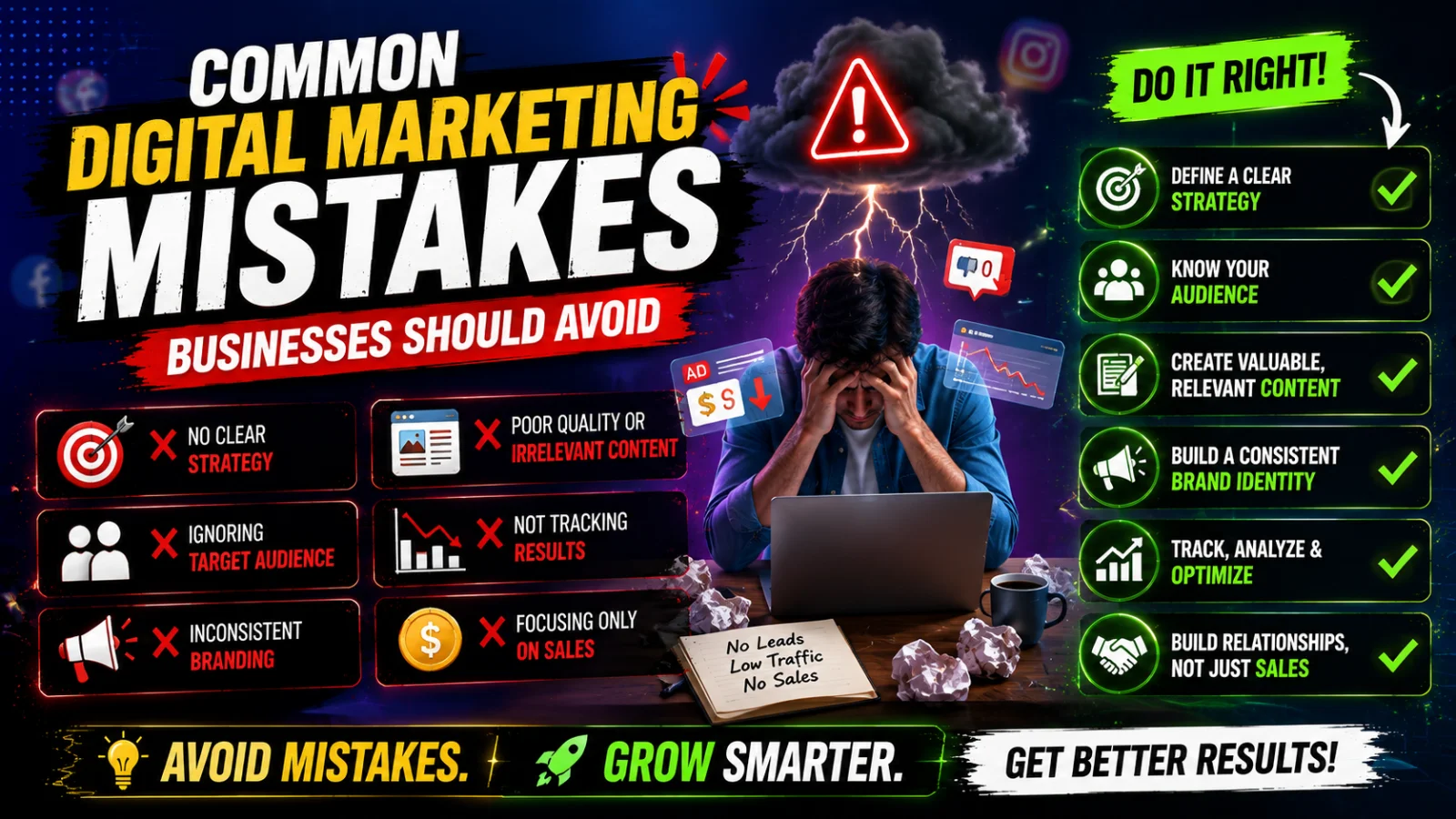
How to Create a Successful Digital Marketing Strategy
In today’s digital-first business environment, simply having a website or posting regularly on social media is not enough. Businesses need a clear direction that connects their online activities with measurable business goals. This is where a well-planned digital marketing strategy becomes important.
A successful strategy helps businesses understand their target audience, choose the right marketing channels, create relevant content, manage their budget, and measure performance. Instead of spending money on every available platform, businesses can focus their time and resources on channels that are most likely to produce meaningful results.
Whether you are a small business, startup, service provider, or established company, learning how to create a digital marketing strategy can help you build a stronger online presence and achieve sustainable growth. A practical strategy typically brings together goals, audience research, channel selection, budget planning, execution, and continuous measurement.
What Is a Digital Marketing Strategy?
A digital marketing strategy is a structured plan that explains how a business will use online channels to achieve specific marketing and business objectives.
These channels may include:
- Search engine optimization (SEO)
- Google Ads and PPC advertising
- Social media marketing
- Content marketing
- Email marketing
- Influencer marketing
- Local SEO
- Marketing automation
A strategy is different from simply having a list of marketing activities. It explains why a particular channel is being used, who it is targeting, what action should be taken, and how success will be measured.
For example, instead of saying, “We will post on Instagram every day,” a proper online marketing strategy might define a goal such as increasing qualified enquiries, identify the target audience, select Instagram as one of the channels, create content around customer problems, and measure enquiries generated from those activities.
Why Does Your Business Need a Digital Marketing Strategy?
Without a clear plan, businesses can easily spend time and money on activities that do not contribute to their goals.
A well-defined strategy can help you:
- Reach the right audience
- Improve brand visibility
- Generate qualified leads
- Increase website traffic
- Build customer trust
- Use marketing budgets more effectively
- Measure campaign performance
- Improve return on investment
It also creates consistency across different marketing channels. Your SEO, social media, advertising, content, and website should work toward the same overall objective rather than operating as completely separate activities.
How to Create a Digital Marketing Strategy
Creating a successful strategy does not have to be complicated. The following steps can help you build a practical plan for your business.
1. Understand Your Business Goals
The first step is to determine what you actually want your marketing to achieve.
Your goal could be to:
- Generate more leads
- Increase online sales
- Improve brand awareness
- Increase website traffic
- Launch a new product
- Enter a new market
- Improve customer retention
Avoid vague objectives such as “get more customers.” Instead, create goals that are specific and measurable.
For example:
“Generate 50 qualified leads per month through organic and paid digital channels.”
Clear goals make it easier to decide which channels, content, and campaigns you should prioritize. Modern strategy frameworks similarly emphasize measurable objectives before selecting tactics or channels.
2. Identify Your Target Audience
One of the most important parts of a digital marketing strategy for business is understanding exactly who you want to reach.
Your audience may differ based on factors such as:
- Age
- Location
- Profession
- Industry
- Interests
- Buying behaviour
- Budget
- Problems and needs
Try to understand what your customers are looking for and what influences their purchasing decisions.
For example, a local service business may primarily target customers within a particular city, while an e-commerce company may target customers across multiple regions.
Creating simple buyer personas can help you develop content and campaigns that speak directly to your ideal customers.
3. Analyse Your Competitors
Before developing your digital marketing plan, research what your competitors are already doing online.
Look at their:
- Websites
- Search engine rankings
- Social media activity
- Content
- Advertising
- Customer reviews
- Offers
- Online positioning
The objective is not to copy your competitors. Instead, identify opportunities to differentiate your business.
For example, if competitors are publishing general educational content, you could create more detailed guides, case studies, videos, or location-specific content.
Competitor analysis can also reveal customer questions and market gaps that your business can address.
4. Choose the Right Digital Marketing Channels
Not every business needs to use every platform.
One of the biggest mistakes businesses make is trying to maintain a presence everywhere without understanding whether their target customers are actually active on those channels.
Choose your channels based on your goals and audience.
SEO
SEO can help businesses attract people who are actively searching for their products or services. It is particularly useful for building long-term organic visibility.
Google Ads
Google Ads can help businesses reach users with strong search intent and generate targeted traffic or enquiries.
Social Media
Social media can help businesses build awareness, engage with customers, showcase products, and create opportunities for lead generation.
Content Marketing
Blogs, videos, guides, case studies, and FAQs can help businesses educate potential customers and build authority.
Email Marketing
Email can help businesses nurture existing leads and maintain relationships with potential and existing customers.
The right digital marketing channels depend on your business model, audience, goals, and available resources. A focused channel mix is generally more practical than trying to be active on every platform.
5. Develop Your Content Strategy
Content is an important part of almost every digital marketing strategy.
Instead of creating content randomly, decide what topics will help your audience and support your business goals.
Your content can include:
- Blog articles
- Social media posts
- Videos
- Infographics
- Case studies
- Customer testimonials
- FAQs
- Guides
- Product or service pages
For example, if your business sells accounting software, your content could cover accounting tips, common financial management problems, software comparisons, and product tutorials.
A good content strategy should answer customer questions at different stages of the buying journey. Someone who is discovering a problem needs different information from someone who is already comparing two solutions.
6. Create a Strong SEO Strategy
SEO should be considered as part of your overall online marketing strategy, especially if your business wants consistent organic traffic.
Start by identifying keywords that your potential customers use when searching for your products or services.
Then optimize relevant website pages and content around those search intents.
Your SEO strategy can include:
- Keyword research
- On-page SEO
- Technical SEO
- Internal linking
- Content creation
- Local SEO
- Link building
- Website performance optimization
Avoid creating content purely for search engines. The content should provide genuine value to users while naturally incorporating relevant keywords.
7. Plan Your Social Media Strategy
Social media becomes more effective when every post has a purpose.
Instead of posting only promotional messages, create a mix of educational, informative, entertaining, and trust-building content.
For example, a business could follow a content mix such as:
- Educational tips
- Behind-the-scenes content
- Customer stories
- Product demonstrations
- Industry updates
- Frequently asked questions
- Promotional offers
Choose platforms based on where your audience is most active. A B2B company may find LinkedIn more relevant, while a visually focused consumer brand may benefit more from Instagram or YouTube.
8. Set a Realistic Marketing Budget
A successful strategy also needs a realistic budget.
Your digital marketing budget may include:
- Advertising spend
- SEO
- Content creation
- Social media management
- Website development
- Design
- Marketing software
- Email marketing
- Agency or freelancer fees
Do not decide your budget simply by copying another business. Consider your goals, customer acquisition costs, profit margins, competition, and available resources.
You can start with a manageable budget, measure the results, and increase investment in channels that demonstrate potential.
9. Create a Clear Conversion Strategy
Getting traffic is not the final objective. Your website and campaigns should encourage visitors to take meaningful actions.
Depending on your business, these actions could include:
- Filling out an enquiry form
- Calling your business
- Requesting a quotation
- Booking a consultation
- Downloading a guide
- Purchasing a product
- Signing up for a service
Use clear calls to action throughout your website and landing pages.
For example, instead of a generic “Submit” button, use action-focused text such as “Get a Free Consultation” or “Request a Quote.”
A clear conversion path helps connect marketing activity with actual business outcomes.
10. Track KPIs and Measure Performance
A strategy should never be considered complete after implementation. You need to monitor its performance and make improvements based on data.
Important marketing KPIs may include:
- Website traffic
- Leads generated
- Conversion rate
- Cost per lead
- Customer acquisition cost
- Return on ad spend
- Organic keyword rankings
- Social media engagement
- Email open and click rates
- Sales generated
The exact KPIs should depend on your goals. If your main objective is lead generation, focus more heavily on qualified leads, conversion rates, and cost per lead rather than vanity metrics such as follower count alone.
Tracking KPIs allows businesses to identify underperforming campaigns and make informed adjustments.
11. Test, Improve, and Update Your Strategy
Digital marketing is not a one-time activity.
Customer behaviour, search trends, competition, platforms, and business objectives can change over time. Therefore, your strategy should be reviewed regularly.
You can test:
- Different ad messages
- Landing page headlines
- Calls to action
- Content formats
- Keywords
- Audience segments
- Social media approaches
- Offers
If something is not producing the expected results, do not continue spending simply because it was part of the original plan. Use your performance data to decide what should be improved, changed, or stopped.
A good strategy should be treated as a living plan that evolves as new customer and campaign data become available.
Common Digital Marketing Strategy Mistakes to Avoid
Even a detailed plan can fail if the execution is inconsistent. Some common mistakes include:
Trying to Target Everyone
A broad audience makes it difficult to create relevant messaging. Define your ideal customers clearly.
Using Too Many Channels
Being active on every platform can spread your budget and resources too thin. Start with the channels that are most relevant to your audience.
Focusing Only on Traffic
More traffic does not automatically mean more customers. Track conversions and business outcomes.
Ignoring Mobile Users
Your website and landing pages should provide a smooth experience across smartphones and other devices.
Not Tracking Results
Without analytics and KPIs, you cannot confidently determine which marketing activities are producing results.
Expecting Immediate Results From Every Channel
Some channels, particularly SEO and content marketing, can require time to build visibility. Paid advertising may produce faster feedback, but it still needs testing and optimization.
How Often Should You Review Your Digital Marketing Strategy?
You should monitor campaign performance regularly, but a complete digital marketing strategy does not necessarily need to be rewritten every week.
A practical approach is to:
- Monitor important metrics weekly
- Review campaign performance monthly
- Evaluate broader goals quarterly
- Make major strategic changes when business or market conditions change
This creates a balance between consistency and flexibility.
Conclusion
Learning how to create a successful digital marketing strategy is about more than selecting a few online platforms. It requires a clear understanding of your business goals, target audience, competitors, marketing channels, content, budget, and performance metrics.
Start with a clear objective, understand your customers, select the channels that make sense for your business, create useful content, and measure the results. Most importantly, continue testing and improving your approach instead of treating your marketing plan as a fixed document.
When all these elements work together, your digital marketing strategy for small business or larger organization can become a structured system for building visibility, generating leads, increasing conversions, and supporting long-term business growth.
Frequently Asked Questions
Related Articles
 Digital Marketing
How to Increase Website Traffic Using Digital Marketing
Discover effective digital marketing strategies to increase website traffic, attract targeted visitors, generate leads, and grow your online presence.
 Digital Marketing
How Digital Marketing Helps Businesses Generate More Leads
Learn how digital marketing helps businesses generate more leads through SEO, Google Ads, social media, content marketing, landing pages, and local SEO.