
High-Converting Business Websites That Generate More Enquiries
A business website is more than an online brochure. It is often the first place where potential customers learn about your company, compare your services, and decide whether to contact you. A high-converting website clearly explains your value, builds trust, and guides visitors towards making an enquiry. It does not simply focus on attractive design. It focuses on creating a smooth and useful customer journey.
1. Start with a Clear Message
When visitors land on your website, they should quickly understand what your business does and how you can help them.
Avoid unclear headlines such as: “Creating Better Digital Experiences”
Instead, use a direct message: “We Build Business Websites That Generate More Enquiries”
A strong website headline should explain:
- Who you help.
- What service you provide.
- What result customers can expect.
Your website should answer the visitor’s main question immediately: “Is this business right for my needs?” If the answer is clear, visitors are more likely to continue exploring.
2. Create a Strong Homepage
Your homepage should guide visitors through a simple story. Start with the problem they face, explain how your business can help, and then show why they should trust you.
A strong homepage can include:
- A clear headline.
- Short service introduction.
- Main customer benefits.
- Testimonials or case studies.
- Information about your process.
- Frequently asked questions.
- A clear enquiry button.
Do not fill your homepage with too much information. Give visitors the important details and guide them to the right service or contact page. "Your homepage should not make visitors work to understand your business."
3. Use Clear Calls to Action
A call to action tells visitors what to do next. Every important page should have a clear and useful CTA.
Weak CTA examples include:
Submit.
Click Here.
Learn More.
Stronger CTA examples include:
Request a Free Consultation.
Get Your Website Audit.
Discuss Your Project.
Request a Project Estimate.
Start a Conversation.
The CTA should match the page. A service page can encourage visitors to request a consultation, while a blog may guide them to read a related article or download a useful guide. Clear CTA copy and simple forms are widely recognised as important parts of website conversion optimisation.
4. Build Trust with Proof
Visitors may like your service, but they still need a reason to trust your business. This is especially important for B2B services and high-value projects.
Your website can build trust through:
Customer testimonials.
Case studies.
Client logos.
Certifications.
Awards.
Team information.
Industry experience.
Clear contact details.
Case studies are especially useful because they show how you helped a real customer. Include the customer’s challenge, the solution you provided, and the result achieved. Trust signals should appear close to your service information and enquiry sections. This gives visitors confidence at the moment they are considering contacting you.
5. Make the Enquiry Process Simple
A complicated enquiry form can stop visitors from contacting you. If the form asks too many questions, people may leave before completing it.
For a first enquiry, ask only for the information you need:
Name.
Business email.
Company name.
Phone number, if required.
Short project description.
You can collect more information during a call or follow-up discussion.
Simple enquiry flow
Visitor has Requirement ->Find Your Service Page -> Sees the Proof And Benefits -> Clicks the Enquiry Button -> Complete a Short Form -> Receive a Quick Response
6. Publish Helpful Content
Not every website visitor is ready to make an enquiry immediately. Some people are still researching their problem, comparing options, or trying to understand the cost and process. Helpful content can support them during this stage. Blogs, guides, FAQs, and case studies can answer their questions and build trust before a sales conversation begins.
Useful topics may include:
How much does a professional business website cost?
Why are website visitors leaving without enquiring?
What should a high-converting website include?
How can a website generate more business leads?
How long does a website redesign take?
Content should be written for real people, not only for search engines. Google recommends creating helpful and reliable content that provides a valuable experience for the audience.
7. Improve the Website Step by Step
You do not always need to redesign your entire website to generate more enquiries. Start with the pages that receive the most visitors and make small improvements.
Simple improvement steps
Review your homepage headline.
Make your main CTA more specific.
Add testimonials or case studies.
Reduce unnecessary form fields.
Improve your service page content.
Test the website on mobile devices.
Track enquiries and CTA clicks.
You should measure more than website traffic. Track form submissions, phone calls, CTA clicks, service page visits, and the traffic sources that generate enquiries.
A high-converting website is built through continuous improvement. Small changes to your message, page structure, trust elements, or forms can create a better experience for visitors.
Simple Conversion Formula
A Clear message + Helpful Content +Strong Proof+ Simple Enquiry Form+ Clear Call to Action = More Business Enquiries
Final Thoughts
A high-converting business website helps visitors understand your service, trust your business, and take the next step with confidence.
The strongest websites do not simply look professional. They make the customer journey easy. They answer important questions, remove doubt, and provide a clear reason to get in touch.
Make your message clear. Make your website useful. Make the next step simple. That is how your website can become a reliable source of new business enquiries.
Frequently Asked Questions
Related Articles
 Web Development
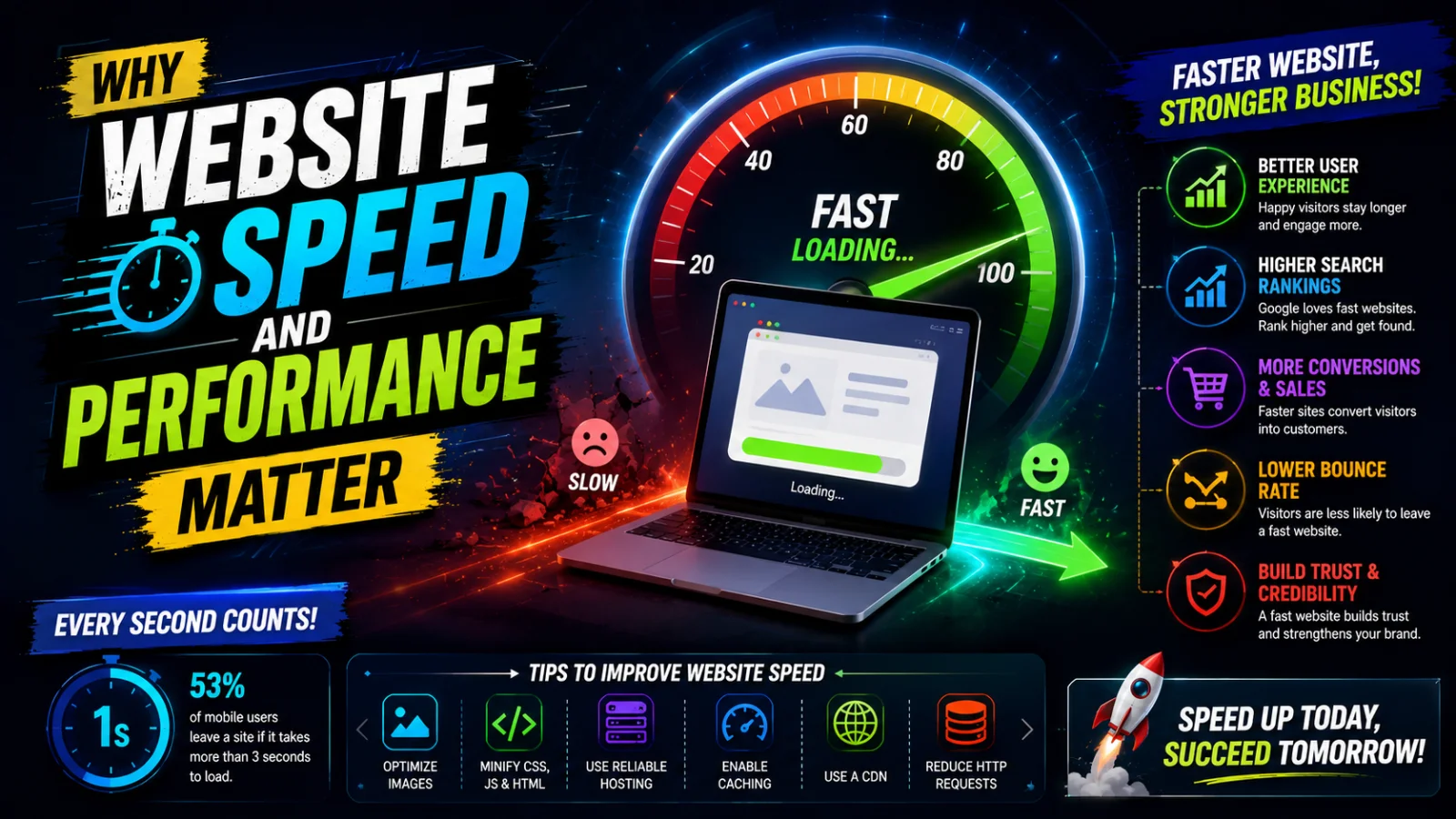
Why Website Speed and Performance Matter
Website speed and performance play an important role in user experience, SEO, and conversions. Learn how faster websites benefit businesses and how professional web development services can improve website performance.
 Web Development
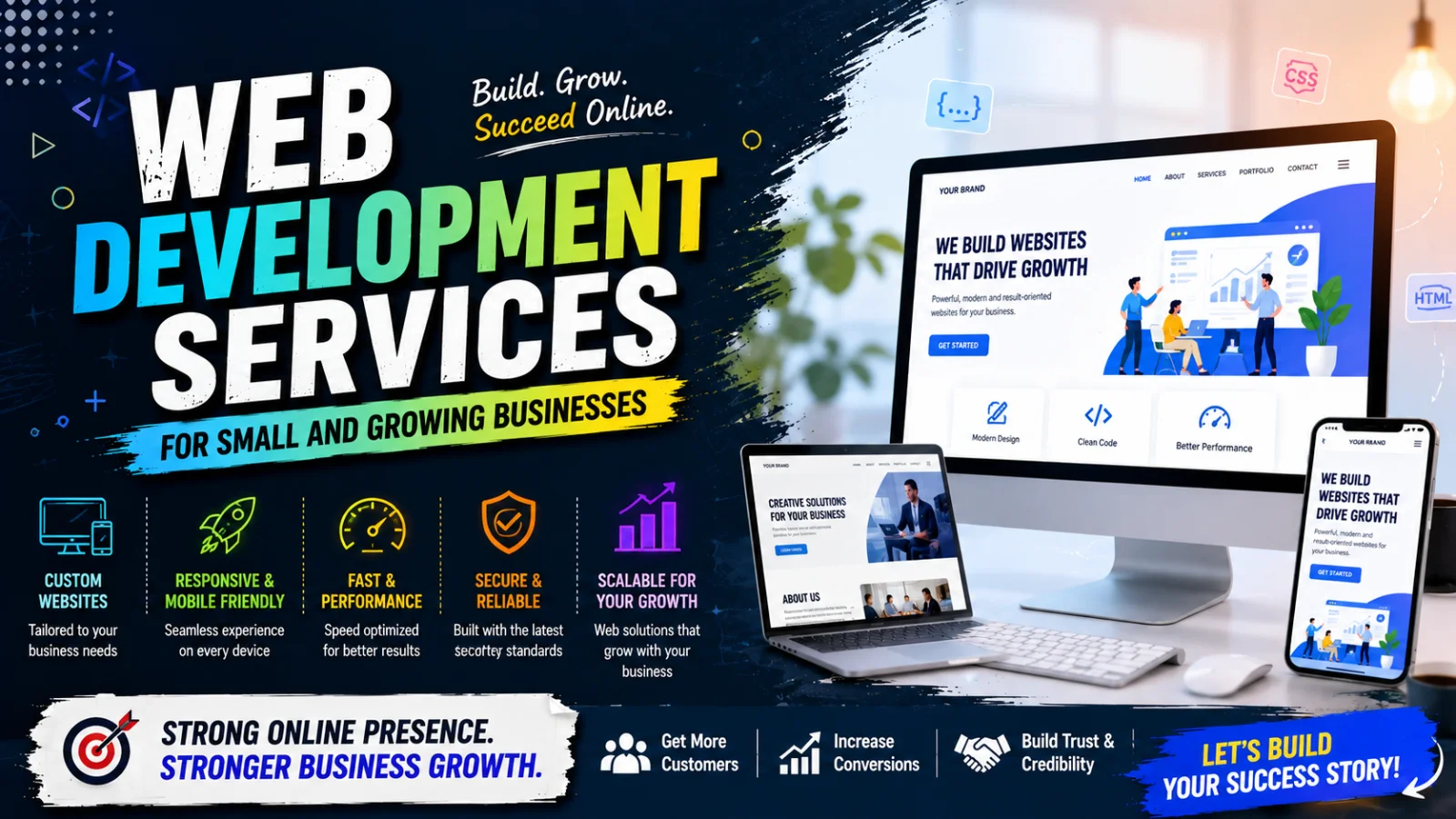
Web Development Services for Small and Growing Businesses
Discover how professional web development services can help small and growing businesses build fast, responsive, secure, and SEO-friendly websites that attract customers and support long-term business growth.
 Web Development
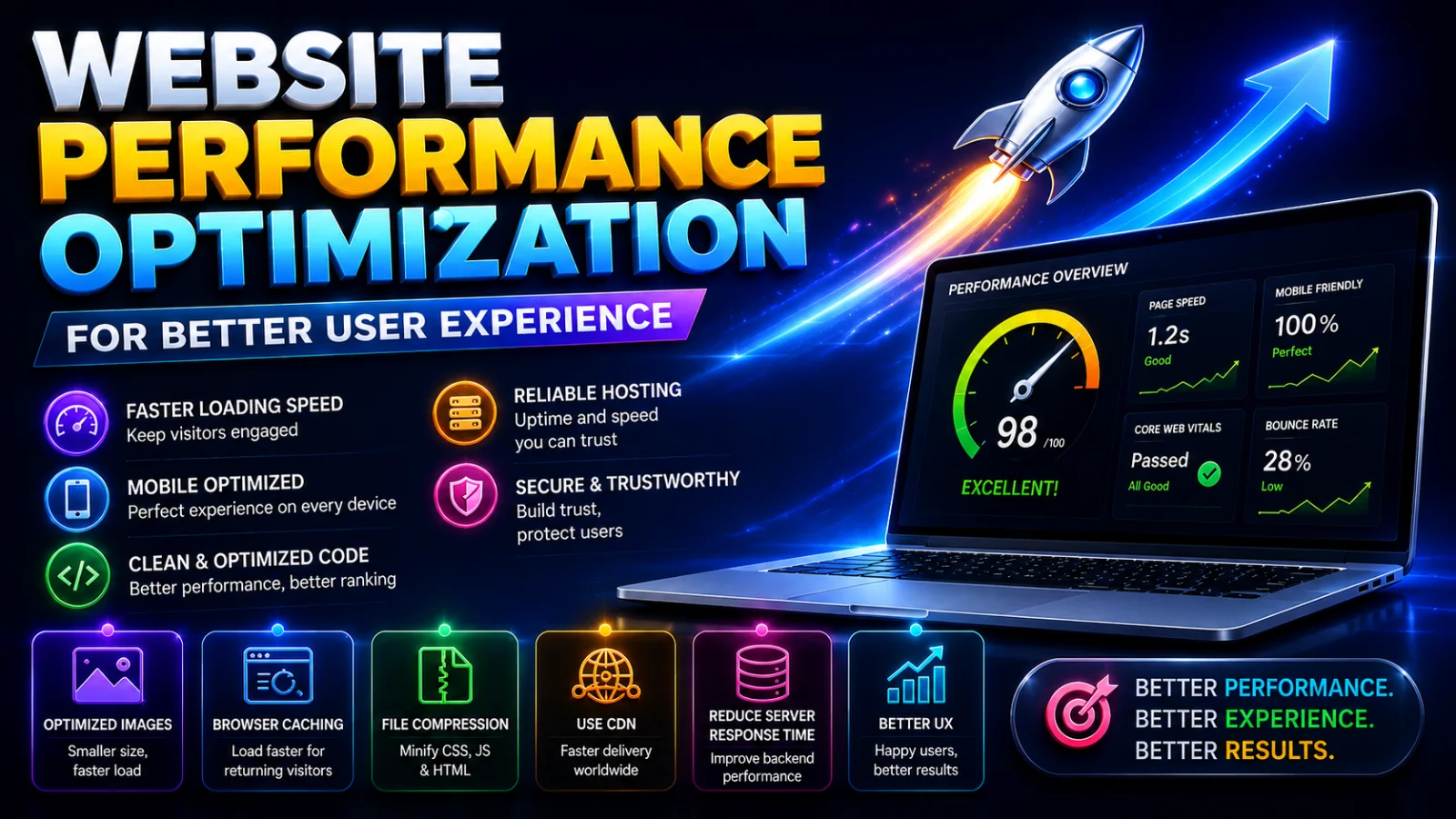
Website Performance Optimization for Better User Experience
Website performance directly impacts how users experience your site and how long they stay. Learn how optimizing page speed, mobile responsiveness, images, and technical elements can create a faster, smoother website that improves user satisfaction, engagement, and SEO performance.