
Business Mobile Apps That Improve Customer Retention
In today’s competitive business environment, attracting a new customer is only the first step. The real challenge is encouraging that customer to return, make repeat purchases, renew subscriptions, and recommend your brand to others. This is where business mobile apps play an important role.
A well-designed mobile app creates a direct communication channel between your business and customers. It can provide personalized offers, loyalty rewards, faster support, convenient transactions, useful reminders, and a seamless customer experience. When customers receive continuous value from an app, they are more likely to stay connected with the brand for a longer period..
What Is Customer Retention?
Customer retention refers to a company’s ability to keep its existing customers engaged and encourage them to continue using its products or services. Instead of constantly depending on new customer acquisition, businesses focus on creating experiences that make current customers stay.
For example:
An online store encourages customers to purchase again through personalized recommendations.
A food delivery app offers loyalty points and customized discounts.
A banking app makes payments and account management faster.
A SaaS app sends useful reminders and product updates.
A healthcare app helps users schedule appointments and receive follow-up notifications.
Customer retention is closely connected to trust, convenience, satisfaction, and perceived value. If customers find a service difficult to use or communication irrelevant, they may move to a competitor.
A mobile app can bring several parts of the customer journey into one convenient platform. Customers can interact with the business whenever they need it, without depending only on websites, phone calls, or physical stores.
Why Mobile Apps Matter for Retention
A mobile app remains available on the customer’s smartphone throughout the day. This makes it easier for businesses to maintain regular, meaningful interactions.
Unlike traditional marketing channels, a business mobile app can combine:
Direct communication.
Personalized experiences.
Fast customer service.
Loyalty and rewards.
Purchase history.
Behavioral insights.
Real-time updates.
Convenient payments.
Self-service functionality.
Mobile engagement strategies often use push notifications, SMS, in-app messaging, behavioral triggers, and personalization to improve long-term customer relationships. However, businesses must ensure that every interaction is relevant and useful. Excessive or irrelevant notifications can cause users to disable notifications or uninstall the app.
The goal is not to make customers open the app repeatedly without purpose. The goal is to make the app useful enough that customers naturally return whenever they need a product, service, update, or support.
Mobile App Features That Improve Retention
1. Simple and Fast Onboarding
The customer’s first experience with the app has a major impact on future engagement. If registration is complicated, the app loads slowly, or users cannot understand its purpose, they may leave before completing the onboarding process.
A strong onboarding experience should:
Explain the app’s main benefit clearly.
Ask only for essential information.
Offer social login or one-tap registration.
Provide a short product tour.
Guide users toward their first valuable action.
Avoid requesting unnecessary permissions immediately.
2. Personalized User Experience
Customers expect brands to understand their interests and preferences. A mobile app can use information such as previous purchases, browsing behavior, location, preferences, and engagement history to create a more relevant experience.
Personalization can include:
Recommended products.
Customized content.
Location-based offers.
Preferred payment options.
Personalized dashboards.
Relevant service reminders.
Product suggestions based on previous activity.
Personalized onboarding and behavior-based messaging can help reduce early drop-offs and encourage users to continue using the app.clevertap
However, personalization should be transparent and helpful. Businesses should avoid using customer data in a way that feels intrusive. Customers must understand why information is collected and how it improves their experience.
3. Loyalty Programs and Rewards
Loyalty programs are one of the most effective ways to encourage repeat purchases. Mobile apps make loyalty programs easier to manage because customers can view their points, rewards, membership status, and offers in real time.
A mobile loyalty program may include:
Points for every purchase.
Special rewards for repeat customers.
Referral bonuses.
Birthday offers.
Membership tiers.
Exclusive app-only discounts.
Cashback or store credits.
Rewards for reviews and feedback.
The rewards should be simple to understand and easy to redeem. Complicated rules can reduce customer interest. Businesses should also reward valuable actions beyond purchases, such as referrals, reviews, profile completion, and event participation.
4. Personalized Push Notifications
Push notifications allow businesses to communicate directly with customers through their mobile devices. They can be used to share order updates, appointment reminders, new product announcements, limited-time offers, and personalized recommendations.
Effective push notifications are:
Relevant to the customer.
Timely and behavior-based.
Short and easy to understand.
Connected to a clear action.
Sent at an appropriate frequency.
Personalized beyond simply using the customer’s name.
For example:
“Your saved product is back in stock.”
“Your appointment is tomorrow at 10:00 AM.”
“You are only 50 points away from your next reward.”
“Your monthly report is ready to view.”
“Complete your profile to unlock personalized recommendations.”
Research and industry guidance emphasize that personalized, well-timed notifications can improve engagement and retention more effectively than generic messages.
Businesses should segment users according to their lifecycle stage. New users, active users, inactive users, high-value customers, and users who abandoned a cart should not receive the same message.
5. Seamless In-App Support
Poor customer support is a major reason customers stop using a product or service. A mobile app can reduce this problem by providing instant access to support.
Useful support features include:
Live chat.
AI-powered chatbots.
Frequently asked questions.
Help centre articles.
Support ticket creation.
Order tracking.
Video tutorials.
Callback requests.
Complaint and feedback forms.
A WhatsApp chatbot can also be integrated with the mobile app to provide quick responses and transfer complex issues to human agents. This combination of automation and human support helps businesses serve customers faster while reducing support workload.
The most important factor is continuity. Customers should not have to explain the same problem repeatedly when moving from chatbot support to a human representative. Connecting the app with CRM and customer service systems can provide agents with the necessary history.
6. Personalized Offers and Promotions
Customers respond better to offers that match their needs. A mobile app can analyze user behavior and present promotions based on purchase history, preferences, location, and timing.
Examples include:
Discounts on frequently purchased products.
Renewal reminders for subscriptions.
Offers on complementary products.
Special discounts for inactive users.
Location-based promotions.
Seasonal offers.
Personalized bundles.
A customer who frequently purchases office supplies may receive a reminder when related products are due for replenishment. A travel app may recommend destinations based on past searches.
Personalized offers can improve conversion while protecting the customer experience. Sending the same discount to every user may reduce urgency and make the brand appear less relevant.
7. Convenient Purchasing and Payments
Convenience is one of the strongest reasons customers return to a mobile app. If the app makes buying, booking, renewing, or paying easier than alternative channels, customers are more likely to use it again.
Important convenience features include:
One-click or fast checkout.
Saved addresses.
Multiple payment options.
Digital wallets.
Order history.
Subscription management.
Reorder functionality.
Real-time order tracking.
Easy cancellation and refunds.
For instance, a grocery app can allow customers to reorder their previous basket with one tap. A SaaS mobile app can let customers upgrade a plan, download invoices, or manage billing without contacting support.
Every unnecessary step increases friction. Businesses should regularly test the checkout and payment journey to identify abandoned screens, confusing forms, and technical errors.
8. Gamification and Engagement
Gamification uses elements such as points, challenges, badges, progress bars, rankings, and achievements to make app usage more engaging. It is especially useful when the business wants customers to complete repeated actions.
Examples include:
Completing a weekly challenge.
Unlocking a new membership level.
Earning points for daily activity.
Receiving badges for milestones.
Completing a product learning path.
Participating in referral campaigns.
A learning platform can reward users for completing lessons. A fitness app can show weekly activity streaks. A financial app can reward customers for completing budgeting goals.
Gamification should support the customer’s objective rather than become a distraction. The rewards must feel meaningful, and the user should always understand what action is required to earn them.
9. Useful Content and Recommendations
A business mobile app should provide value even when the customer is not ready to make a purchase. Educational content, product guides, tutorials, calculators, checklists, and industry updates can keep users engaged.
For B2B businesses, the app could include:
Performance dashboards.
Marketing reports.
Industry insights.
Campaign alerts.
Lead management.
Task reminders.
Training resources.
Knowledge base content.
When an app consistently helps customers solve problems, it becomes part of their routine. This strengthens the relationship and reduces the chance of switching to another provider.
Content should be personalized according to customer needs. A beginner and an advanced user should not receive the same tutorials or recommendations.
Important Retention Metrics to Track
A mobile app retention strategy must be measured regularly. Tracking downloads alone does not show whether customers are staying active.
Important metrics include:
Day 1, Day 7, and Day 30 retention: The percentage of users who return after installing the app.
Monthly active users: The number of unique users who engage with the app each month.
Daily active users: The number of users who use the app each day.
Churn rate: The percentage of customers who stop using the app or cancel a service.
Session frequency: How often customers open the app.
Session duration: How long users remain active.
Repeat purchase rate: The percentage of customers who buy again.
Customer lifetime value: The expected revenue from a customer during the relationship.
Push notification opt-in rate: The percentage of users who allow notifications.
Uninstall rate: The percentage of users who remove the app.
Feature adoption: The percentage of users who use important features.
These metrics help identify where customers are leaving. For example, high downloads but low Day 7 retention may indicate poor onboarding. High app usage but low repeat purchases may show that the app is engaging but not supporting the purchasing journey effectively.
Best Practices for Building a Retention-Focused App
Focus on a Real Customer Problem
Before developing an app, identify the specific problem it will solve. A mobile app should offer more than a duplicate version of the company website. It should provide faster access, personalized services, exclusive features, or greater convenience.
Keep the Interface Simple
Customers should be able to find important features quickly. Use clear navigation, readable text, consistent design, and visible calls to action.
Use Customer Data Responsibly
Collect only the data required to improve the service. Explain the purpose of data collection and provide clear privacy controls. Strong security and transparent communication build trust.
Test and Improve Continuously
Use A/B testing to compare onboarding screens, notification copy, offers, layouts, and calls to action. Customer preferences can change over time, so app performance must be monitored continuously.
Connect the App With Business Systems
Integrate the mobile app with CRM, marketing automation, payment, analytics, customer support, inventory, and loyalty platforms. This creates a consistent customer experience across all channels.
Avoid Notification Fatigue
Every notification should provide clear value. Use frequency limits, audience segmentation, and behavior-based triggers. A notification sent at the wrong time can damage customer trust instead of improving retention.
How Businesses Can Get Started
Businesses do not need to build every feature at once. A phased approach is usually more practical.
Identify the main retention problem, such as low repeat purchases, poor support, or subscription cancellations.
Define the target customer segment and understand its needs.
Choose the most important app features for the first version.
Create a simple onboarding and account experience.
Integrate analytics from the beginning.
Connect the app with CRM and automation tools.
Launch personalized communication campaigns.
Track retention metrics and customer feedback.
Improve the app based on actual user behavior.
Conclusion
Business mobile apps can significantly improve customer retention when they deliver continuous value. Features such as personalized experiences, loyalty rewards, push notifications, fast support, convenient payments, useful content, and behavior-based offers encourage customers to return and engage with the brand.
However, customer retention does not come from app downloads alone. A successful app must be simple, useful, reliable, secure, and connected to the broader customer journey. Businesses should focus on solving real customer problems, measuring meaningful retention metrics, and improving the experience through data and feedback.
When planned correctly, a mobile app becomes more than a digital sales channel. It becomes a long-term relationship platform that helps businesses increase customer satisfaction, repeat purchases, loyalty, and lifetime value.
Frequently Asked Questions
Mobile apps improve retention by simplifying repeat actions, remembering preferences and providing useful support after purchase.
Apps increase engagement when they help customers complete useful actions such as reordering, rebooking, checking payments or receiving service updates.
The best app depends on the business. Common options include loyalty apps, booking apps, ordering apps, customer portals and service-support apps.
No. Notifications may bring customers back temporarily, but the app must provide genuine value after they open it.
No. A mobile app is most useful when customers regularly purchase, book services, make payments, manage memberships or request support.
Related Articles
 Web Development
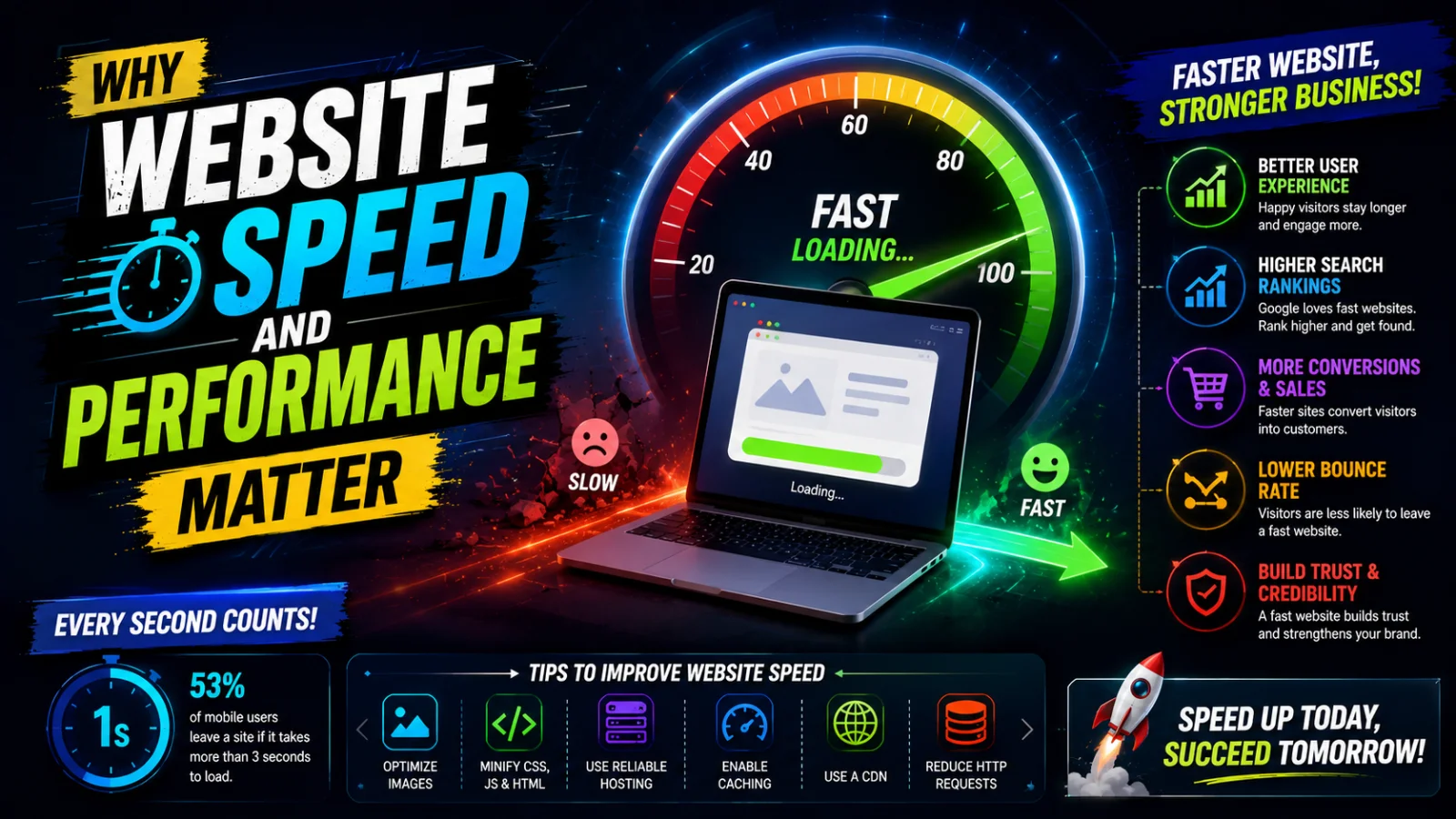
Why Website Speed and Performance Matter
Website speed and performance play an important role in user experience, SEO, and conversions. Learn how faster websites benefit businesses and how professional web development services can improve website performance.
 Web Development
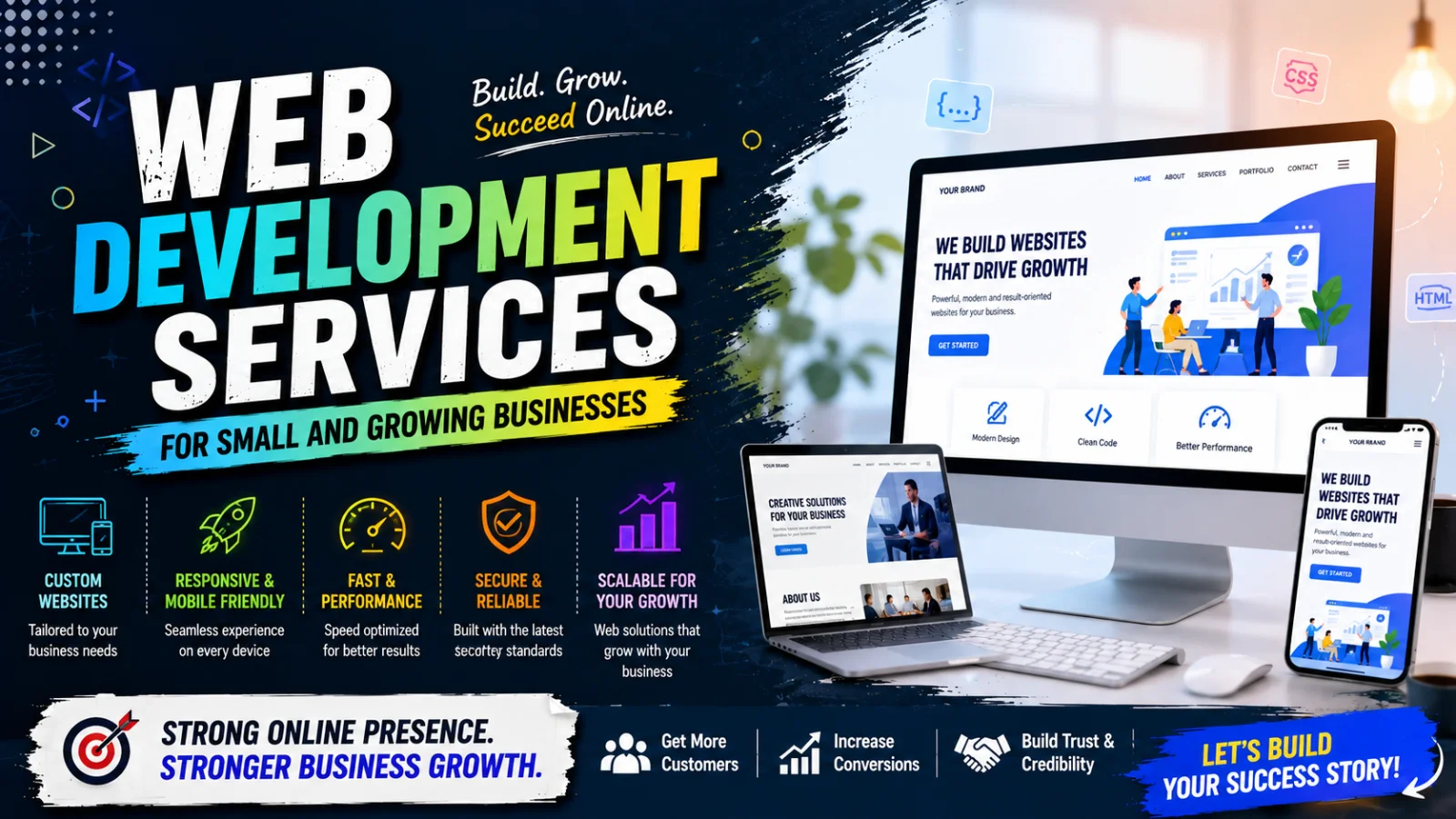
Web Development Services for Small and Growing Businesses
Discover how professional web development services can help small and growing businesses build fast, responsive, secure, and SEO-friendly websites that attract customers and support long-term business growth.
 Web Development
Website Performance Optimization for Better User Experience
Website performance directly impacts how users experience your site and how long they stay. Learn how optimizing page speed, mobile responsiveness, images, and technical elements can create a faster, smoother website that improves user satisfaction, engagement, and SEO performance.